

 en
en
Where Good Intentions Still Undermine Reproducibility
Oxygen plays a central role in cellular physiology, yet in vitro regulation remains surprisingly rudimentary. While most mammalian tissues experience physiological oxygen (physioxia) of ~2% to 6% O₂, standard cell culture is still routinely performed at atmospheric levels (~18% to 21% O₂). This exposes cells to a 3 to 10-fold higher oxygen concentration than their native environment, effectively placing them under chronic hyperoxic stress.
The biological consequences are well documented:
- Increased oxidative stress, with elevated reactive oxygen species (ROS) driving DNA damage, altered signalling and premature senescence
- Metabolic distortion, including shifts in mitochondrial activity and glycolytic balance
- Changes in gene regulation, mediated by redox-sensitive transcription factors and epigenetic modifiers
Despite widespread awareness of physioxia, many laboratories still rely on conventional incubators without active oxygen control, allowing oxygen to remain a silent variable that undermines reproducibility.
Impact of Physioxia on Biological Systems
Stem Cells
Stem cells are inherently adapted to low-oxygen niches, and culturing mesenchymal stem cells under physiological O₂ consistently improves proliferation, viability and retention of stem cell identity, while reducing senescence and phenotypic drift. In contrast, atmospheric O₂ accelerates differentiation and compromises genetic stability, producing cells with shorter lifespan and metabolism that diverges from in vivo behaviour.
Prolonged hyperoxia disturbs the natural state of stem cells and is a critical confounder for the field of regenerative medicine and disease modelling.
Primary Cells
Primary cells lack the oxidative stress defences of immortalised lines and are particularly vulnerable to atmospheric oxygen. Reducing O₂ tension closer to physiological levels lowers ROS burden and better preserves functional phenotype. This is increasingly important as non-transformed primary cultures replace tumour-derived lines in translational research, where maintaining native biology is essential.
3D Cultures and Tissue Models
Three-dimensional systems introduce additional complexity. Organoids and spheroids rapidly develop internal oxygen gradients, with hypoxic cores forming even when incubator conditions are stringently controlled. Small variations in media height, cell density or construct size can dramatically alter pericellular O₂, introducing hidden variability. Conventional incubators offer little control over these dynamics, leaving oxygen heterogeneity largely unaccounted for.
Reproducibility Across Laboratories
Oxygen remains a silent variable in most workflows. Standard CO₂ incubators do not regulate O₂, and routine handling exposes cultures to repeated hyperoxic spikes. The result is:
- Divergent outcomes between labs running nominally identical protocols
- Reduced reproducibility in drug screening and disease models involving oxygen-sensitive pathways
- Together, these effects erode confidence in in vitro data and limit translational relevance.
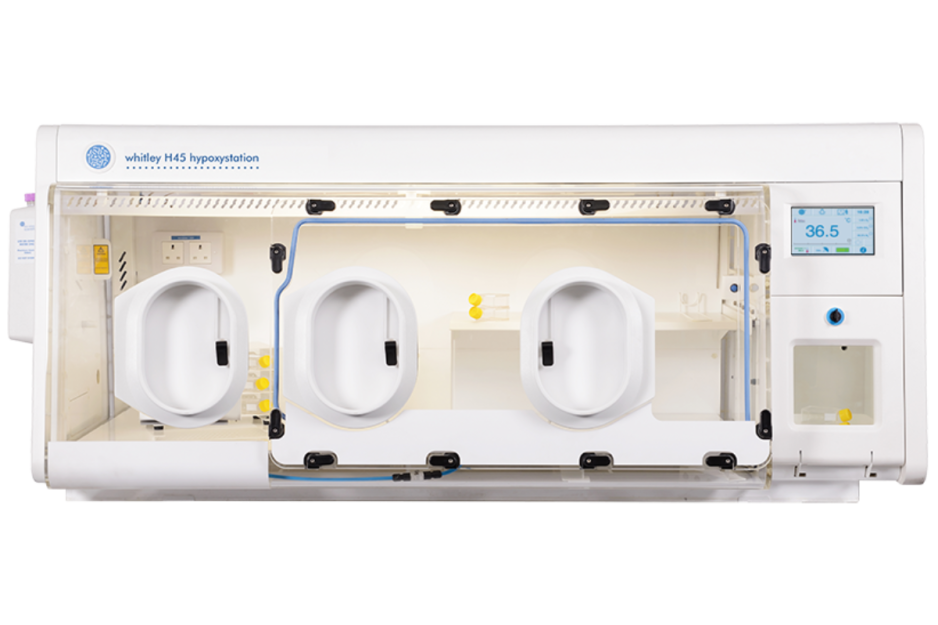
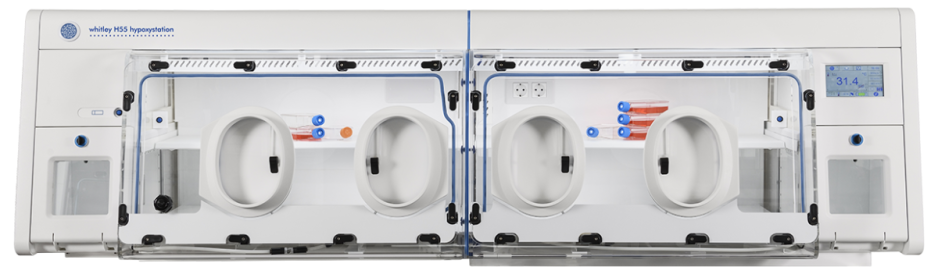
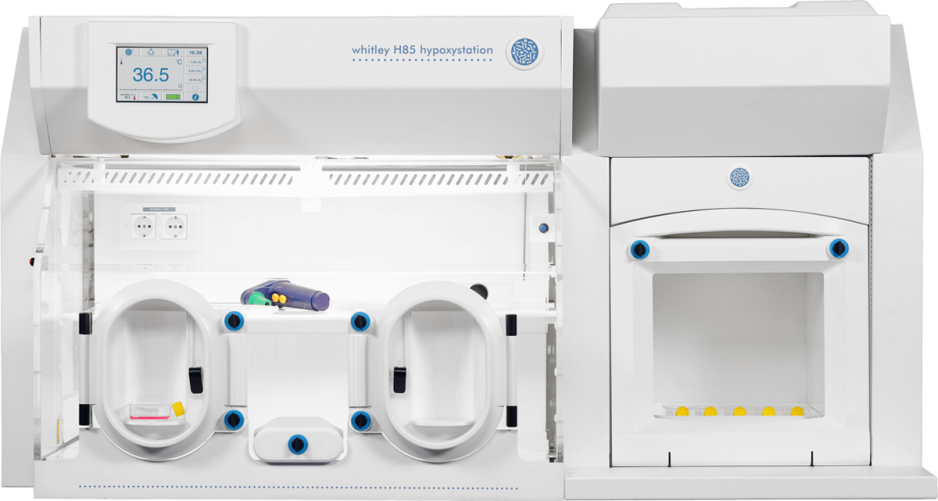
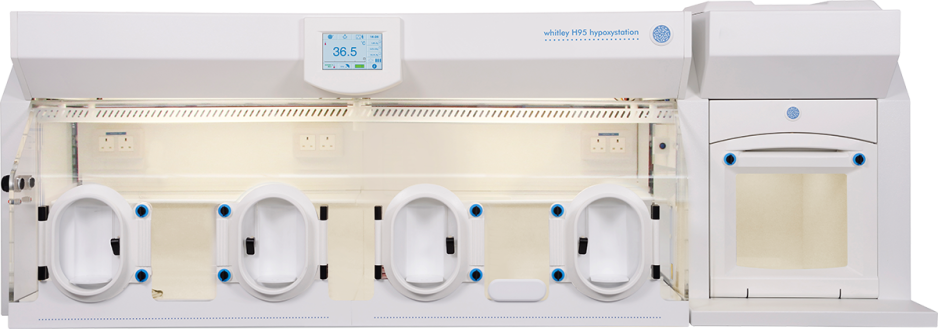
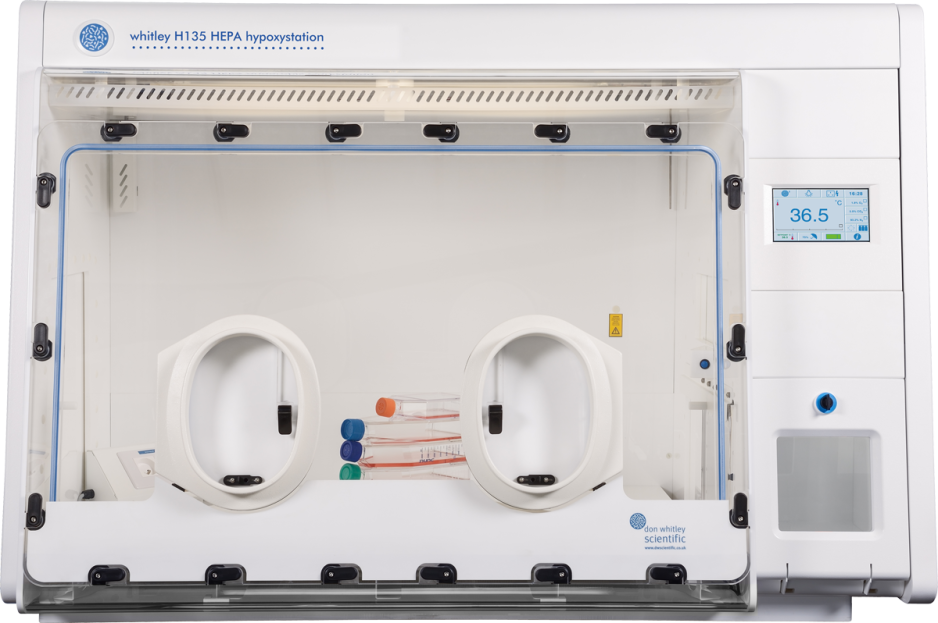
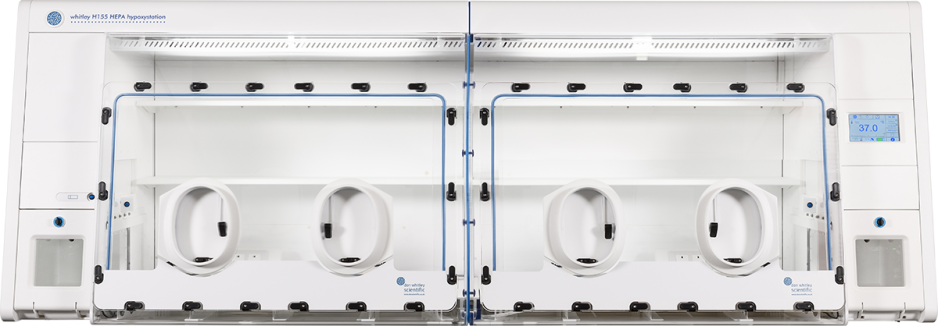
Controlled Hypoxic Environments with Whitley Hypoxystations
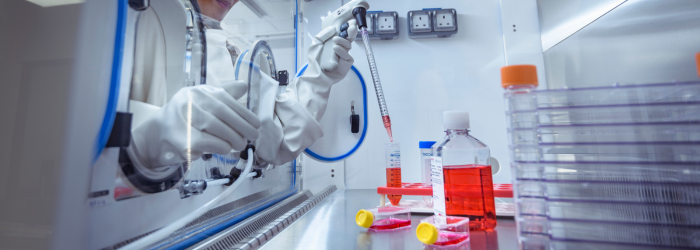
Addressing these issues requires active and continuous control of oxygen levels throughout the culture lifecycle, not just during incubation but also during handling, media changes and microscopy.
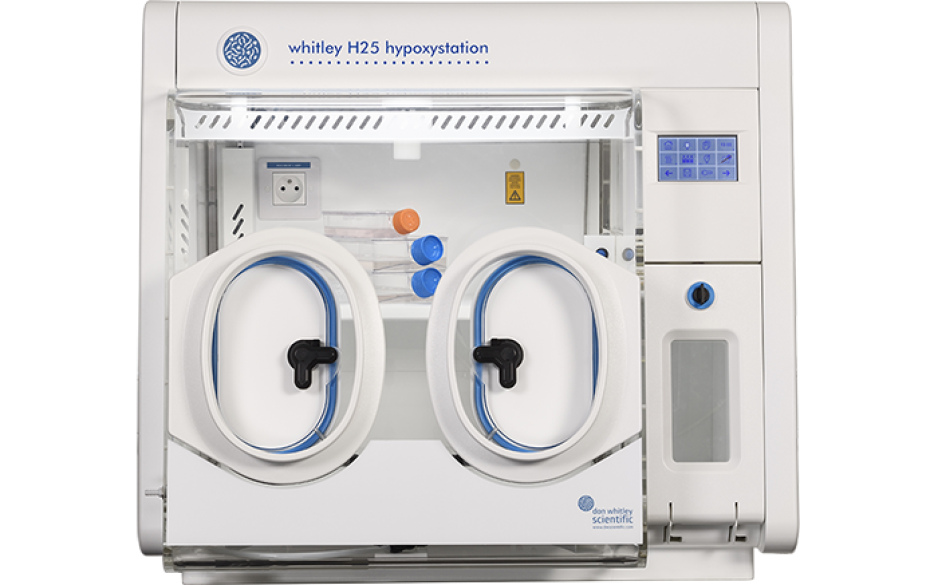
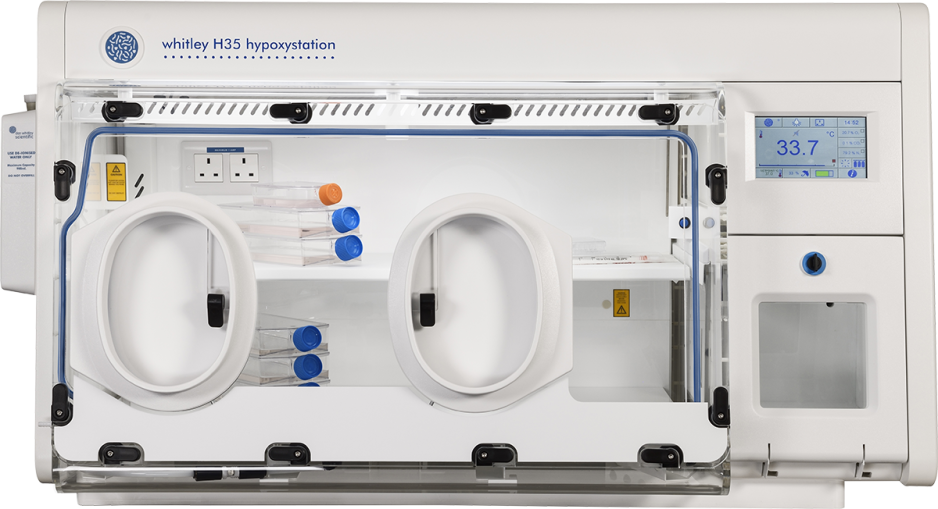
Whitley Hypoxystations provide:
- Precise control of O₂, CO₂, humidity, and temperature across the entire workflow, enabling experiments to be conducted at true physioxia rather than atmospheric normoxia.
- HEPA-filtered environments to support contamination control alongside atmospheric precision.
- Suitable configurations for various applications, from stem cell biology to cancer research and 3D culture systems.
By tightly regulating oxygen tension, these workstations help ensure that cellular responses reflect physiological biology, improving reproducibility and translational relevance.




 England