

 en
en

Mesotheliomas are hyperplastic tumours that cover serosal membranes; more specifically, pleural mesothelioma (PM) is an aggressive form of lung cancer and malignancy of the tumours are often due to asbestos exposure [1]. Asbestos particles cause recurrent inflammation, generate free radicals and activate protooncogenes, leading to malignant mesothelioma but symptoms usually do not display until 10-50 years post exposure [1]. Malignant PM has a poor prognosis: most patients are diagnosed with advanced stage disease and have a median survival time of less than 12 months [2], highlighting the critical need for early detection. Volatile organic compounds (VOCs) have emerged as a potential biomarker for lung, colorectal, breast and liver cancers [3], so scientists are keen to explore this avenue further as there is limited clinical validation and understanding of their biological translation [4]. Studying these molecules at the cellular level is fundamental, but replicating in vivo conditions is just as important. Most studies examine these molecules under normoxia (21% O2); however, oxygen levels are around 5 – 7% in peripheral tissues and around 14% in alveoli [4]. In cancer cells, these levels drop further and hypoxia is responsible for causing metabolic changes in cancer cells, making it likely to impact VOC profiles, so studies replicating the hypoxic microenvironment are key [4].
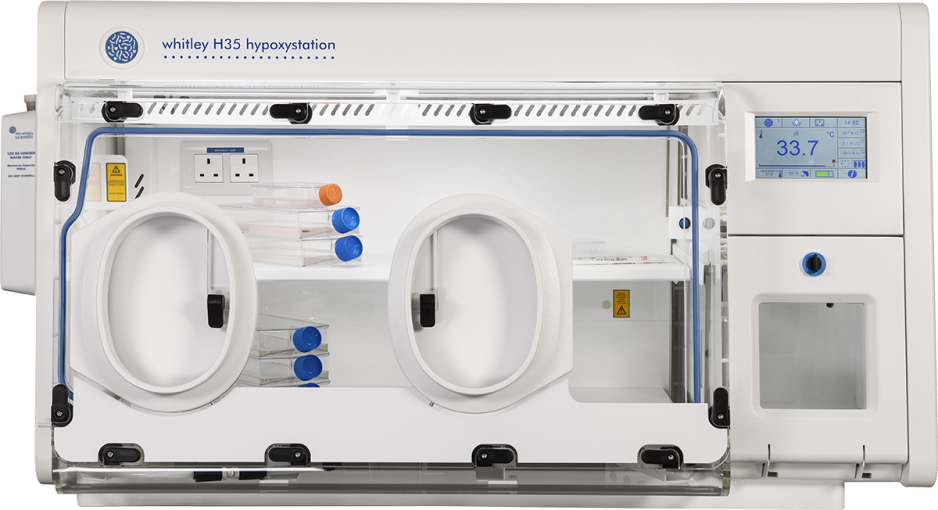
Janssens et al. investigated the impact of hypoxia on PM cells by characterising the profile of VOCs from three cell lines; they used one epithelioid and two non-epithelioid cell lines, so they could assess the differences in VOC profiles. They cultured NCI-H2818 (epithelioid), NCI-H2731 (sarcomatoid) and NKI04 (biphasic) cell lines and incubated them in normoxia (21% O2) and under hypoxia in a Whitley H45 Hypoxystation (1% O2, 5% CO2, 94% N2). After a 48-hour incubation period, VOCs were collected and analysed using thermal desorption-gas chromatography-mass spectrometry. They identified 56 VOCs and using principal component analysis score plots, they visualised a clear shift in VOC composition between hypoxia and normoxia; they also were able to visualise clusters of each cell line, suggesting that there was reproducible hypoxia-driven metabolic programming. Among the metabolites that showed the most significant change between hypoxic and normoxic mesothelioma cells were 2-methylbutanal, pentanal, 3-methylbutanal and acetaldeyhyde. Compounds, such as 2-ethyl-1-hexanol and acetophenone, were significantly increased in hypoxia, which aligns with existing research that shows concentrations of these compounds are different in mesothelioma patients compared with healthy controls. They were also able to identify differences in VOC profiles between epithelioid and non-epithelioid cell lines, with most differential metabolites being specific to hypoxia. This study highlights the vital role of hypoxia in VOC profiles in mesothelioma patients and shows the importance of reproducible hypoxic conditions to reflect the in vivo environment. Biomarkers play a vital role in diagnosis, so research such as this may lead to important progress in the use of cancer-related VOCs as clinical biomarkers [4].
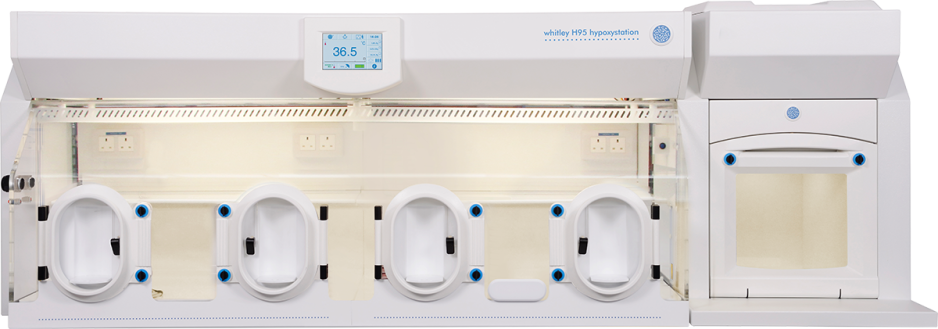
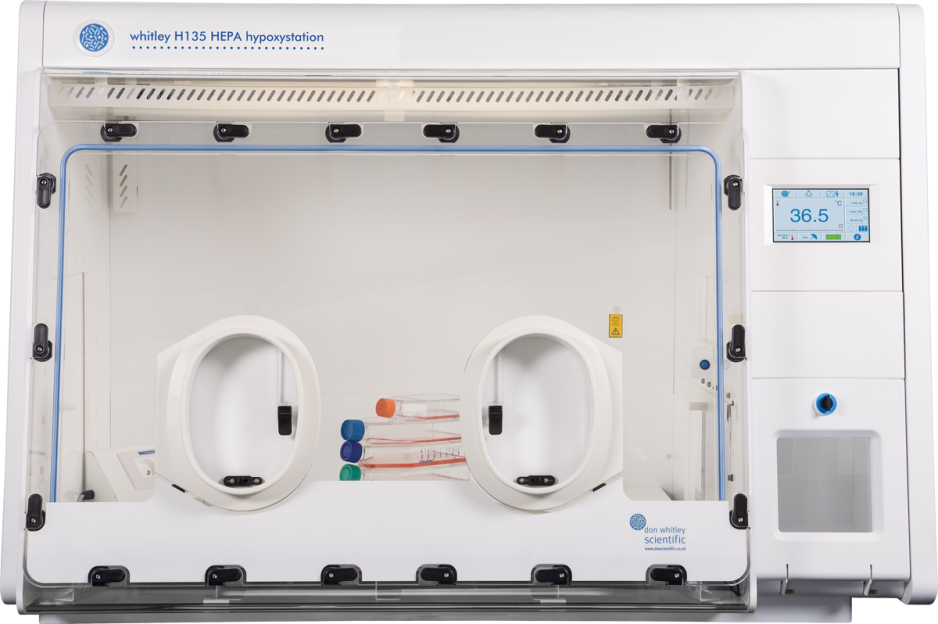
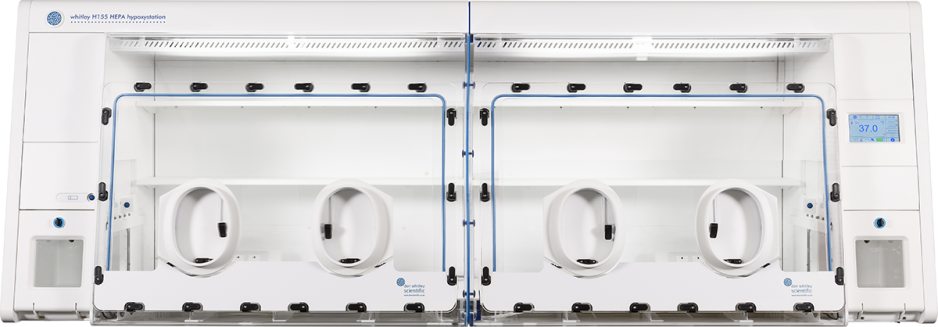
Ultimately, research has established hypoxia as a key determinant of the VOC profile of mesothelioma. Studies such as these highlight importance of replicating in vivo conditions as closely as possible (in this case using the Whitley H45 Hypoxystation) so that cells can be observed in physiologically relevant environment. Mechanisms and biological profiles can be determined accurately, and clinical decisions can be made appropriately.
Written by DWS Microbiologist Kirsty McTear
References
- Jain M, Crites MK, Rich P, Bharat Bajantri. Malignant Pleural Mesothelioma: A Comprehensive Review. Journal of Clinical Medicine [Internet]. 2024 Sep 30;13(19):5837–7. Available from: https://www.mdpi.com/2077-0383/13/19/5837
- Bertin B, Zugman M, Schvartsman G. The Current Treatment Landscape of Malignant Pleural Mesothelioma and Future Directions. Cancers. 2023 Dec 12;15(24):5808–8.
- Zhou M, Wang Q, Lu X, Zhang P, Yang R, Chen Y, et al. Exhaled breath and urinary volatile organic compounds (VOCs) for cancer diagnoses, and microbial-related VOC metabolic pathway analysis: a systematic review and meta-analysis. International journal of surgery (London, England) [Internet]. 2024 Jan;110(3):1755–69. Available from: https://pubmed.ncbi.nlm.nih.gov/38484261/
- Janssens E, Heirwegh E, Wouters A, Vandermeersch L, Van Meerbeeck JP, Walgraeve C, et al. Hypoxia induces alterations in the volatile signature of pleural mesothelioma cells. Biomedicine & Pharmacotherapy. 2026 Feb;195:118946.





 England