

 en
en
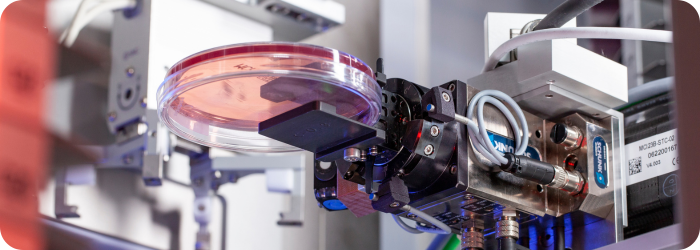
AI is not replacing microbiologists; it is preserving microbiology
Culture interpretation remains one of the most essential and labour-intensive stages in the clinical microbiology diagnostic workflow, still heavily dependent on human attention, manual review, and experienced interpretation. As testing volumes increase and microbiology laboratories face growing staffing challenges, the need for standardised, high‑throughput, and error‑resistant interpretation methods has never been greater.
|
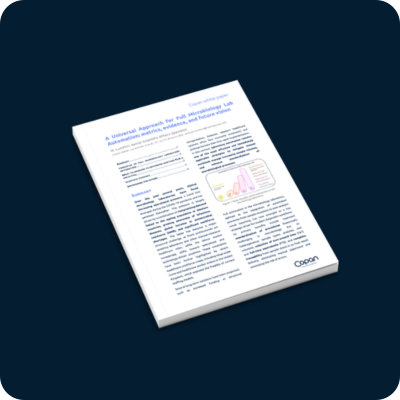
A Universal Approach for Full Microbiology Lab Automation: Metrics, Evidence and Future Vision This white paper examines full laboratory automation
|
 |
Adapt or become extinct: leading pathology into the digital age
Laboratories that are successfully navigating this transition tend to follow a structured, data-led approach. Five principles consistently emerge:
1. Plan with purpose
Define the desired future state and implement automation in validated, incremental steps. Automation should solve real workflow challenges - not create new ones.
2. Don’t overlook pre-analytics
Digitisation and sample tracking from request to receipt can unlock significant efficiency gains. Borrowing from logistics-driven industries, this stage is often where the biggest improvements are realised.
3. Let data lead
Automation generates actionable workflow data. Used correctly, this can identify bottlenecks, optimise processes, and support evidence-based investment decisions.
4. AI enhances, not replaces
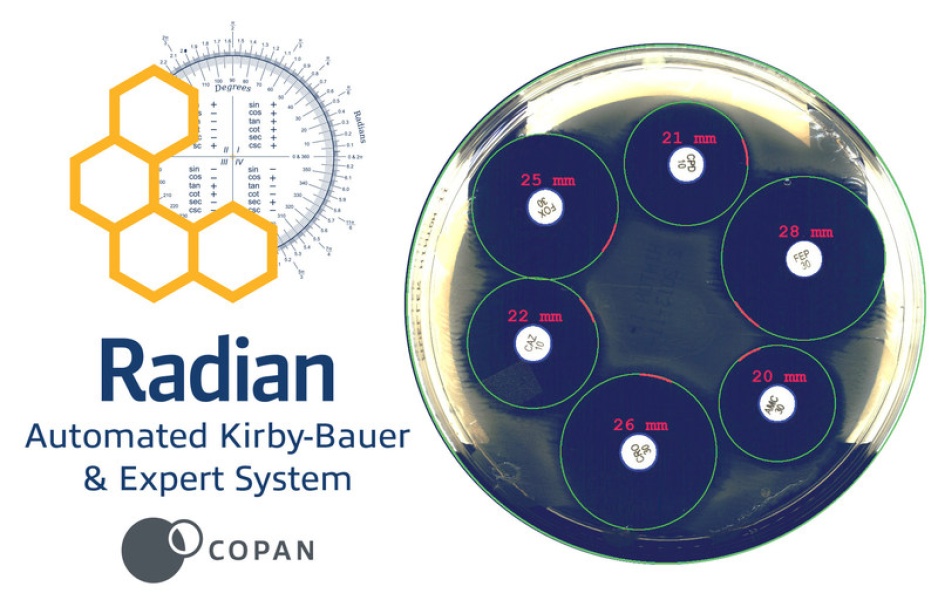
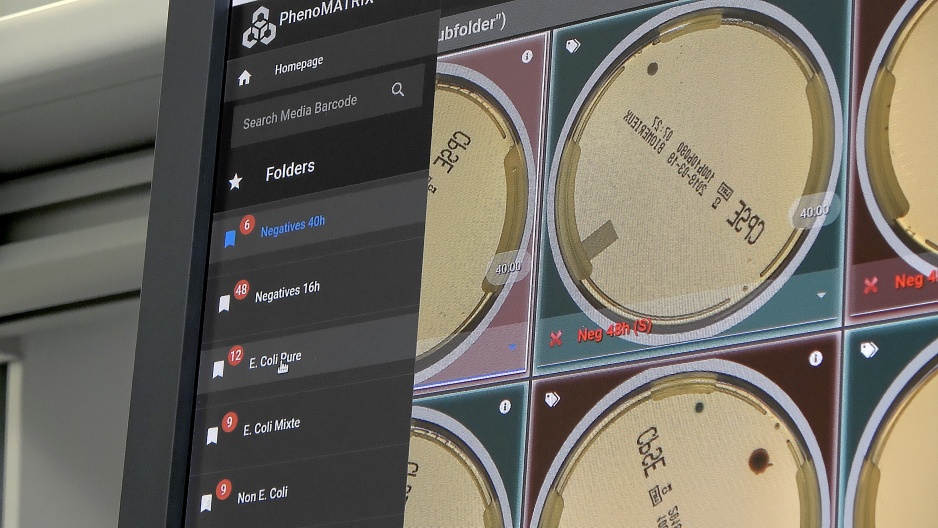
Artificial intelligence supports routine decision-making, such as negative plate screening and automated result release through PhenoMATRIX® PLUS, freeing microbiologists to focus on complex interpretation and higher-level clinical decision making.
5. Connected systems are the future
End-to-end integration connects data and workflows across the diagnostic pathway, enabling faster, more informed decision-making, supporting earlier diagnosis and moving laboratories closer to predictive and preventative models of care.
Preserving expertise in a digital age
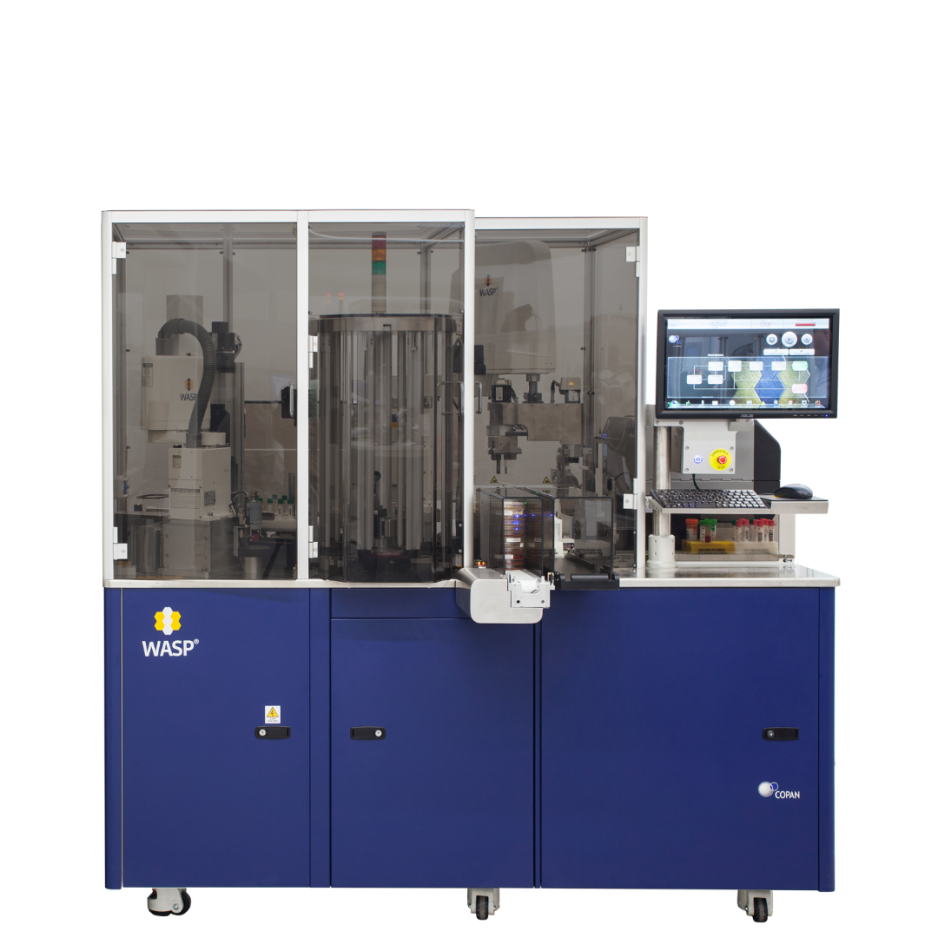
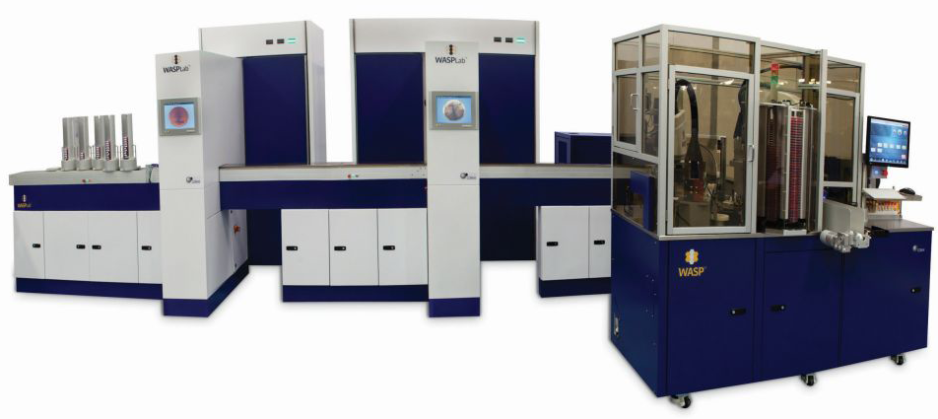
One of the most important outcomes of the Copan WASPLab® is not speed alone, but sustainability. By reducing repetitive manual tasks, laboratories can better utilise highly trained staff, improve job satisfaction, and maintain diagnostic quality under increasing demand.
Digital imaging and PhenoMATRIX® AI-assisted interpretation do not remove the microbiologist from the process; they elevate their role. Expertise is applied where it matters most, rather than being diluted across high-volume routine screening.
Beyond installation: the importance of long-term support
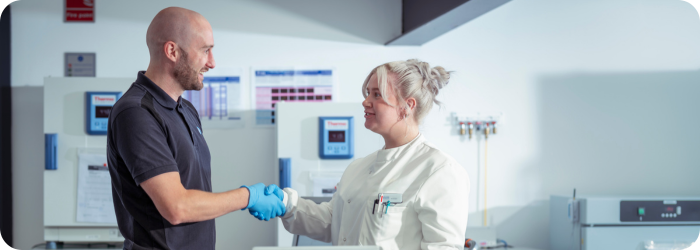
While the technology itself is critical, successful automation depends equally on implementation, training, and ongoing support.
As a long-standing partner of Copan, Don Whitley Scientific provides more than access to the WASPLab® platform. Dedicated, UK-based engineers, and application specialists, trained directly by Copan, deliver responsive, specialist support throughout the system lifecycle. This local expertise ensures minimal downtime, rapid issue resolution, and continuity of laboratory operations.
Looking ahead
Automation is no longer a future ambition, it is a present-day requirement for laboratories aiming to remain efficient, resilient, and clinically relevant. When implemented strategically, it enables laboratories to do more than keep pace with demand; it allows them to redefine how microbiology is delivered.
To learn more about implementing laboratory automation with confidence, supported by specialist UK-based engineers, contact Don Whitley Scientific to discuss your workflow and requirements.




 England