

 en

As we mark the start of World Antimicrobial Resistance Awareness Week, we’re shining a spotlight on one of our recent DWS Travel Grant Awardees, Farah Mahmood, who is researching the directed evolution of tetracycline, metronidazole and levofloxacin antibiotic resistance in Helicobacter pylori as part of the Nottingham BBSRC DTP Programme.
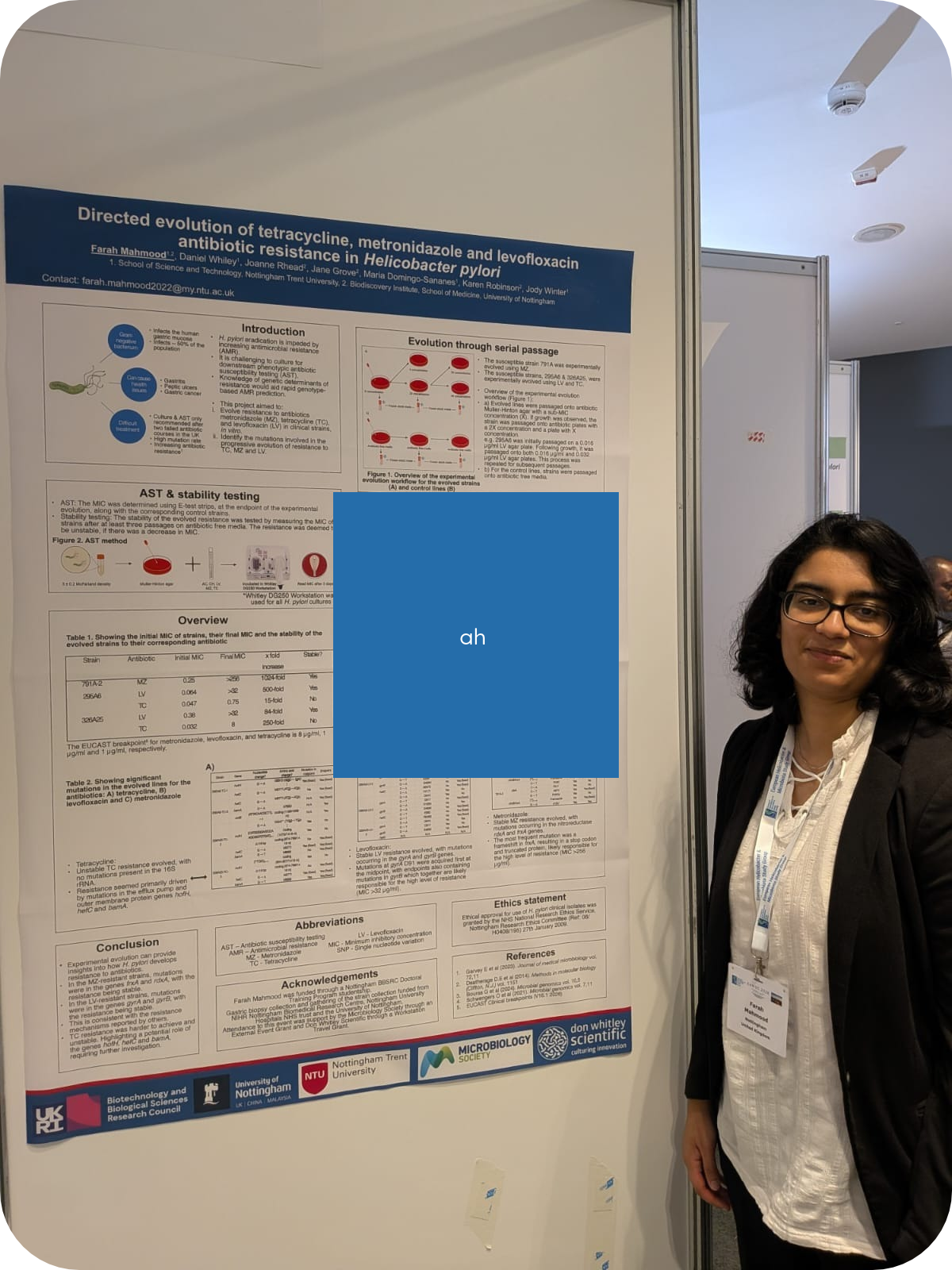
Thanks to the grant, Farah was able to present her poster on these research findings at the 39th Workshop of the European Helicobacter and Microbiota Study Group (EHMSG) in Belgrade, Serbia, and she shares more about her work below.
“I am a final year PhD student on the Nottingham BBSRC DTP Programme run jointly by the University of Nottingham (UoN) and Nottingham Trent University. My work focuses on Helicobacter pylori, a Gram-negative microaerophilic bacterium. This species infects around half of the world’s human population within the stomach - not a modest amount! In some people this can lead to the development of gastritis, stomach ulcers and, worst-case scenario, gastric cancer. Currently, no vaccine for H. pylori has been successfully developed, leaving antibiotics as the main treatment. However, increasing antibiotic resistance has been impeding treatment success, which is sadly the case in many other bacterial infections too.
My research has been into antibiotic resistance, which has involved characterising strains in our Nottingham collection (gathered by Professor Karen Robinson’s group at UoN) and looking into prediction of antibiotic resistance from genomic sequences. My most recent work was carrying out directed experimental evolutions of H. pylori strains to the following antibiotics:
- Levofloxacin
- Metronidazole
- Tetracycline
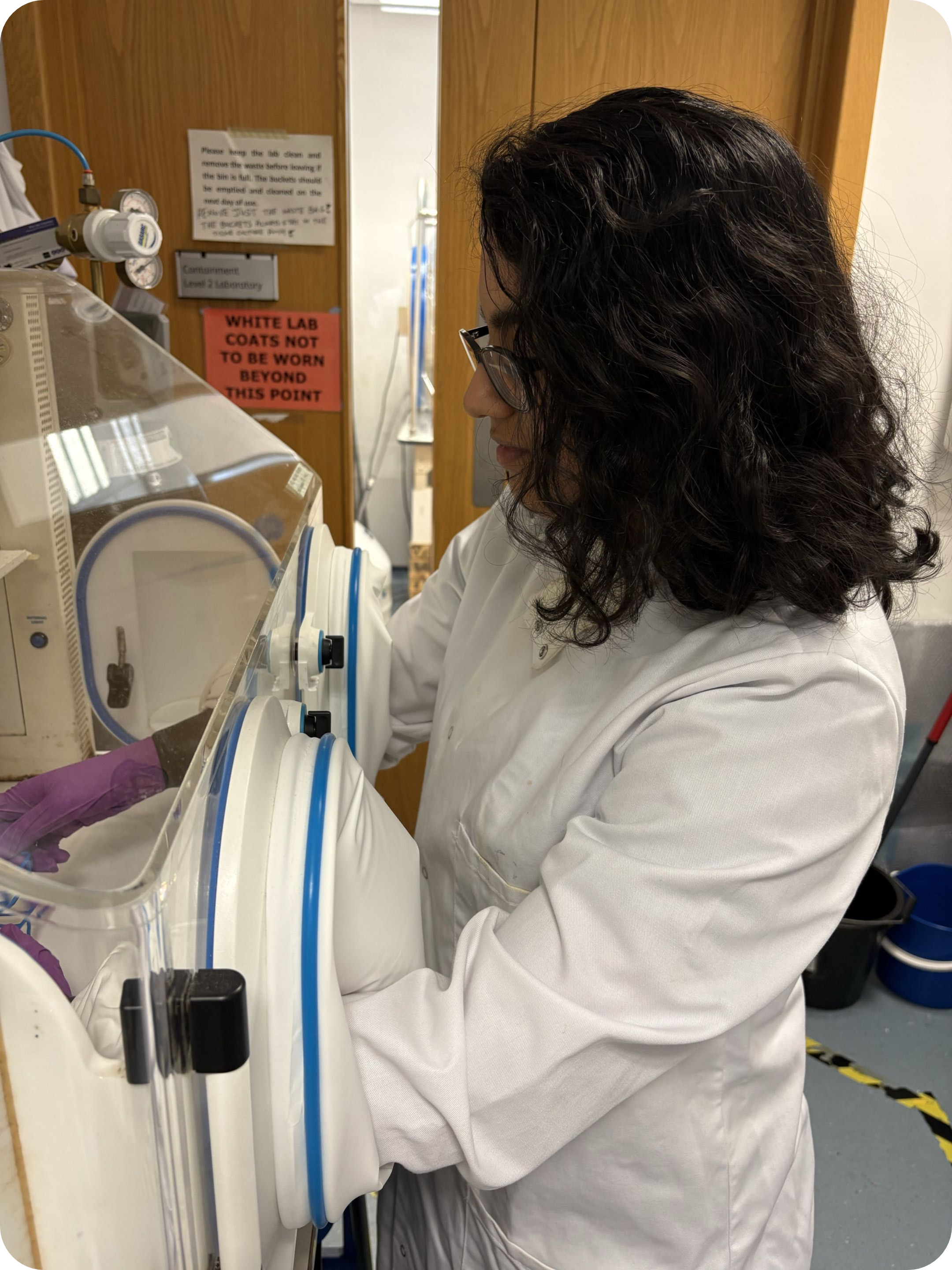
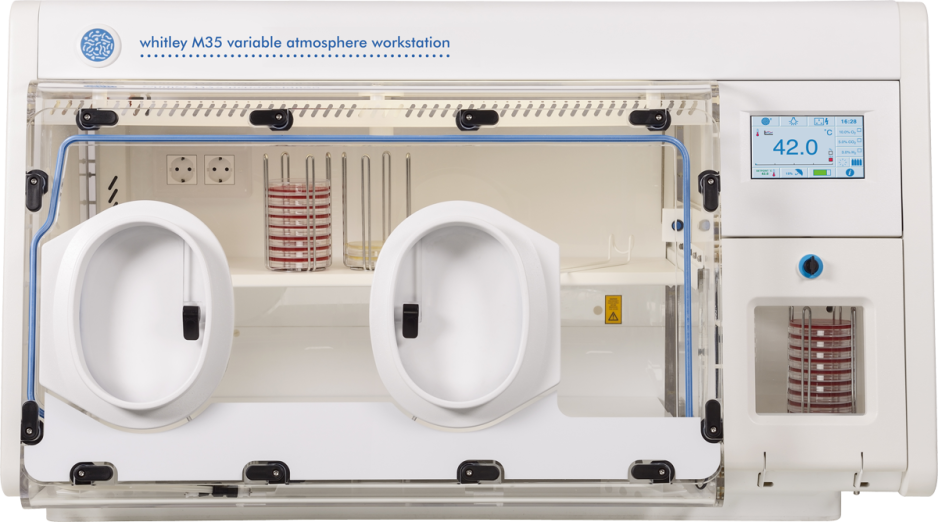
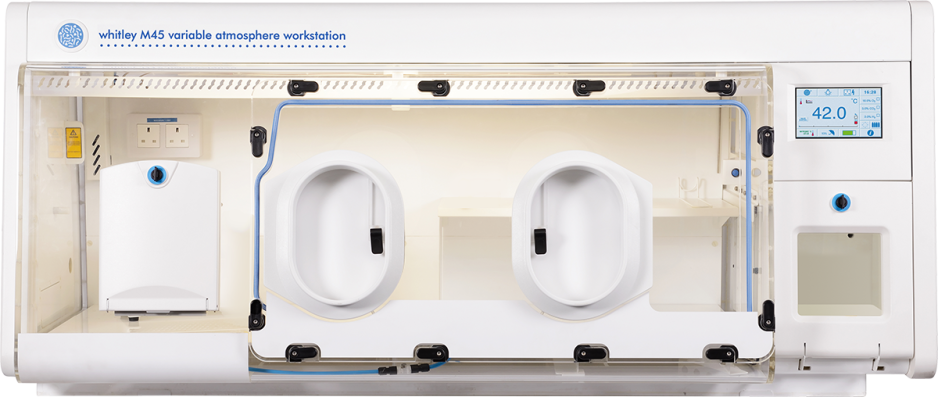
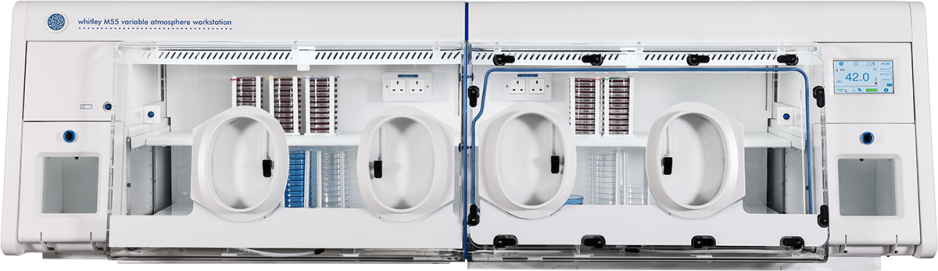
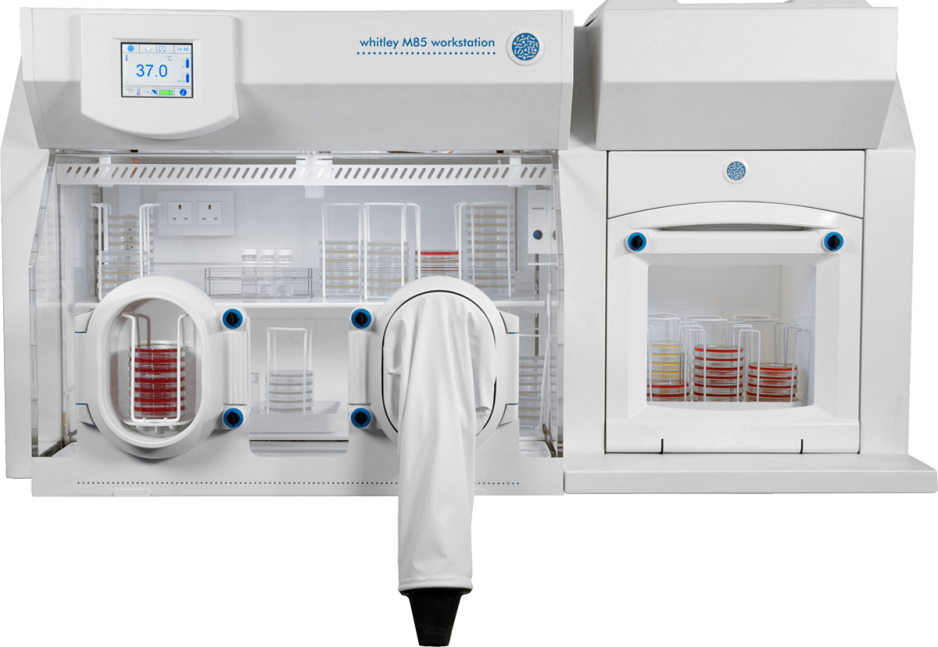
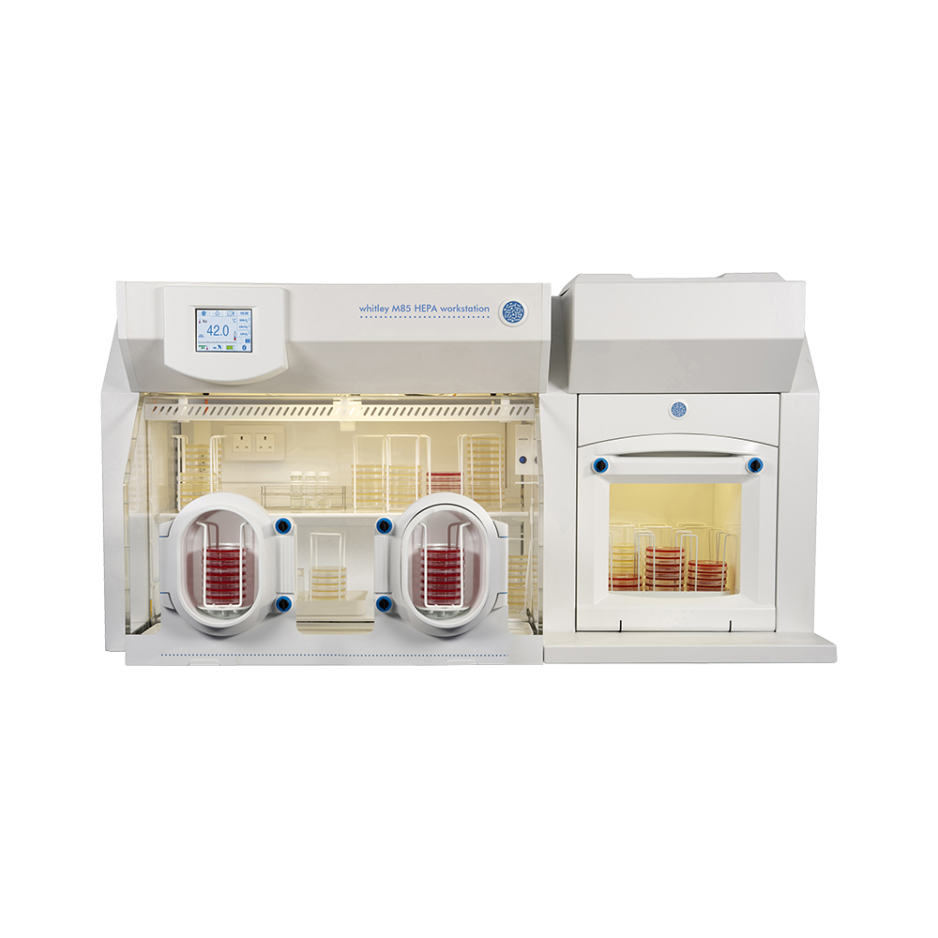
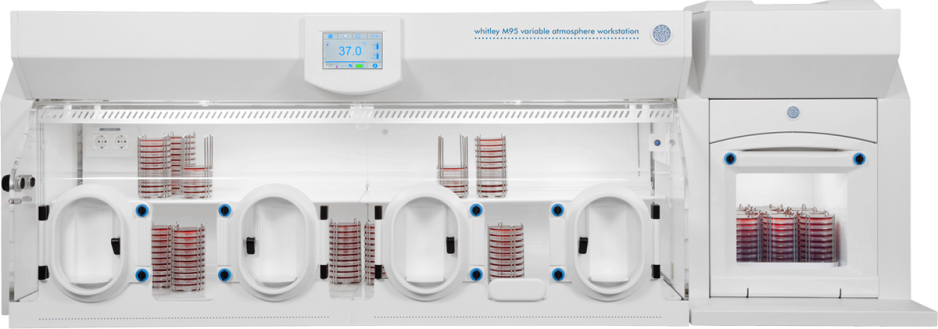
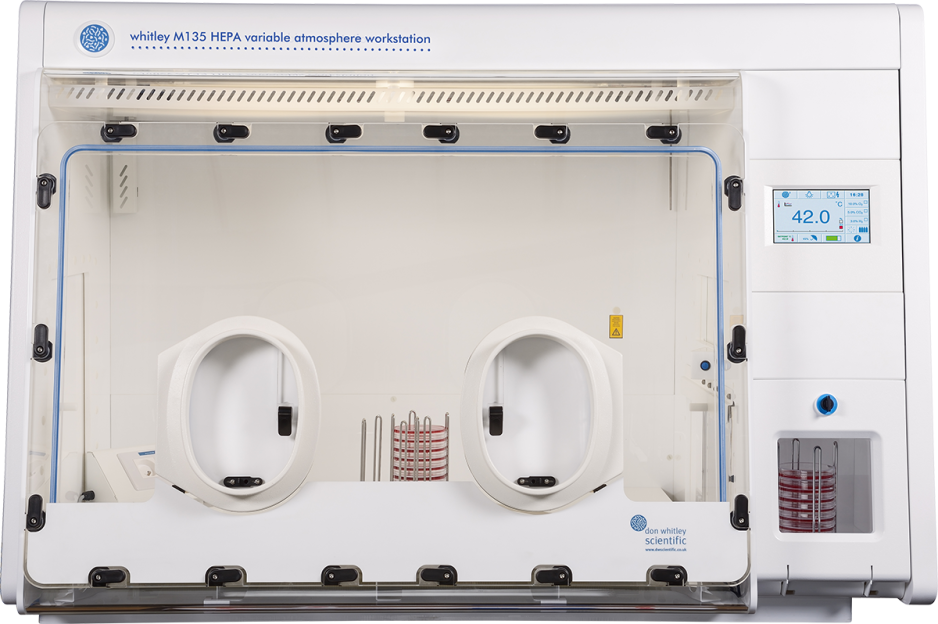
Whole genome sequencing enabled us to observe which genes were mutated when exposed to the antibiotic selection pressure. Usage of the Whitley DG250 Workstation was vital for the growth of all our H. pylori strains, but even more so for my experimental evolution where keeping a constant temperature and microaerophilic environment enabled for the antibiotic to be the only selection pressure the strains were subject to.
I presented my work on this as a poster at the 39th Workshop of the European Helicobacter and Microbiota Study Group (EHMSG) in Belgrade, Serbia, making this my first international conference where I got to learn from big names in the field and network with individuals that showed interest in my work. It was a very immersive, culturally expansive and educational experience, learning about the latest research in H. pylori carried out in different countries which will no doubt help me for my thesis writing and future viva.
I would like to thank DWS for providing me with their travel grant and I would also like to thank the Microbiology Society for providing funding too, which enabled me to attend the meeting and make this a pivotal part of my PhD wrap-up experience.”
We are delighted to have supported Farah’s attendance at the conference and to have played a part in sharing this important research with the wider scientific community. To learn more about her work on antibiotic resistance, view the full research poster here.




 England