

 en
en
In recent years, weight-loss injections have become a hot topic, with success stories dominating the news and social media. With New Year’s resolutions often focused on health and fitness, it is likely that interest in these injections will peak, but there are concerns around their safety in terms of their cost, side effects and the possible future ramifications on the body. Therefore, scientists are hoping to find alternative weight-loss treatments that use the same mechanisms but are safer and are less of an economic burden.
In normal human homeostasis, hormones which maintain metabolism are secreted from gastrointestinal tissue to regulate appetite and insulin secretion [1]. Among these hormones are glucagon-like peptide-1 (GLP-1), which is produced by enteroendocrine L cells, pancreatic α cells, and the nucleus tractus solitarii of the brain – it ultimately acts to suppress appetite [1]. GLP-1 has a short half-life and is easily degraded by dipeptidyl peptidase-4 (DPP4), therefore GLP-1 receptor agonists that are used in weight-loss injections are engineered to resist degradation by DPP4, to act for longer [1]. Weight-loss injections contain GLP-1 receptor agonists, such as liraglutide and semaglutide, which bind to GLP-1R receptors and promote insulin secretion as well as inhibiting glucagon secretion; it also induces appetite suppression and delays gastric emptying [2]. There are numerous concerns around the use of weight-loss injections including: cost, side effects, the high risk of regaining weight if lifestyle changes are not continued and the long-term impact of the drug on the body. Scientists are keen to identify alternative obesity treatments that offer a high success rate but do not pose as many concerns as weight-loss injections do. Enteroendocrine cells can be stimulated to secrete GLP-1 by the gut microbiota, therefore scientists are exploring which bacteria are the most influential on GLP-1 secretion [1]. Potential bacterial strains that promote GLP-1 secretion would be preferred as they could serve as probiotic treatment and therefore be taken throughout an individual’s life without side effects and financial strain.
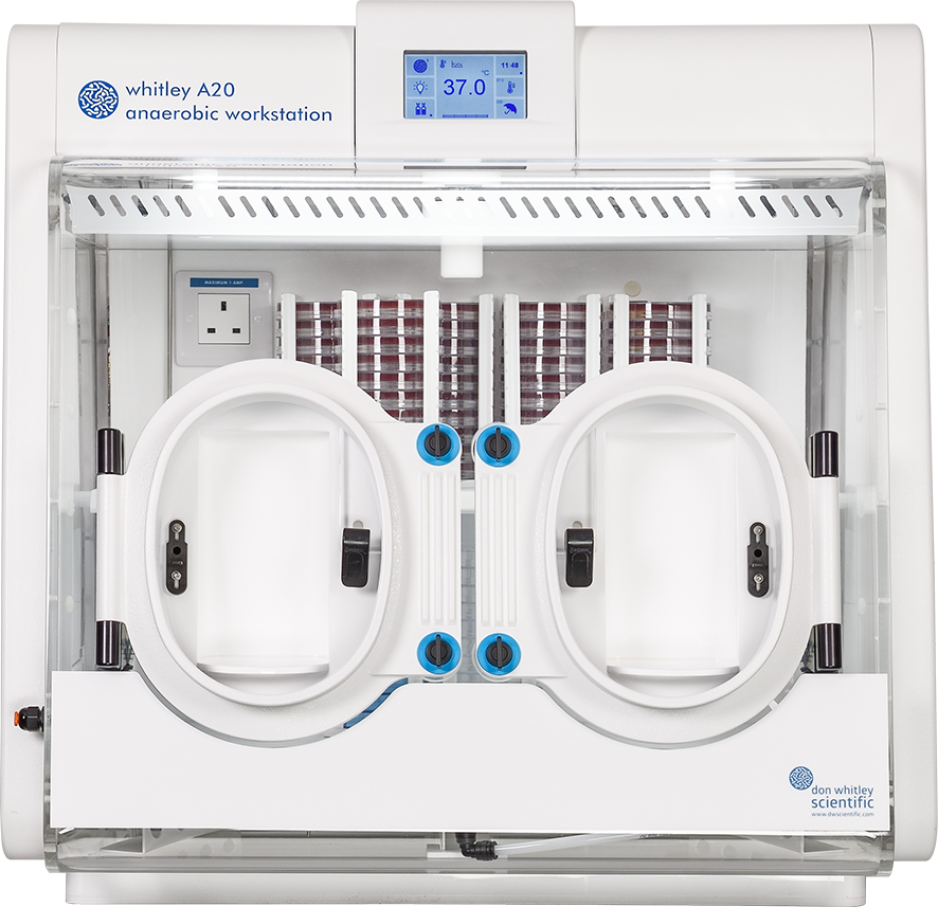
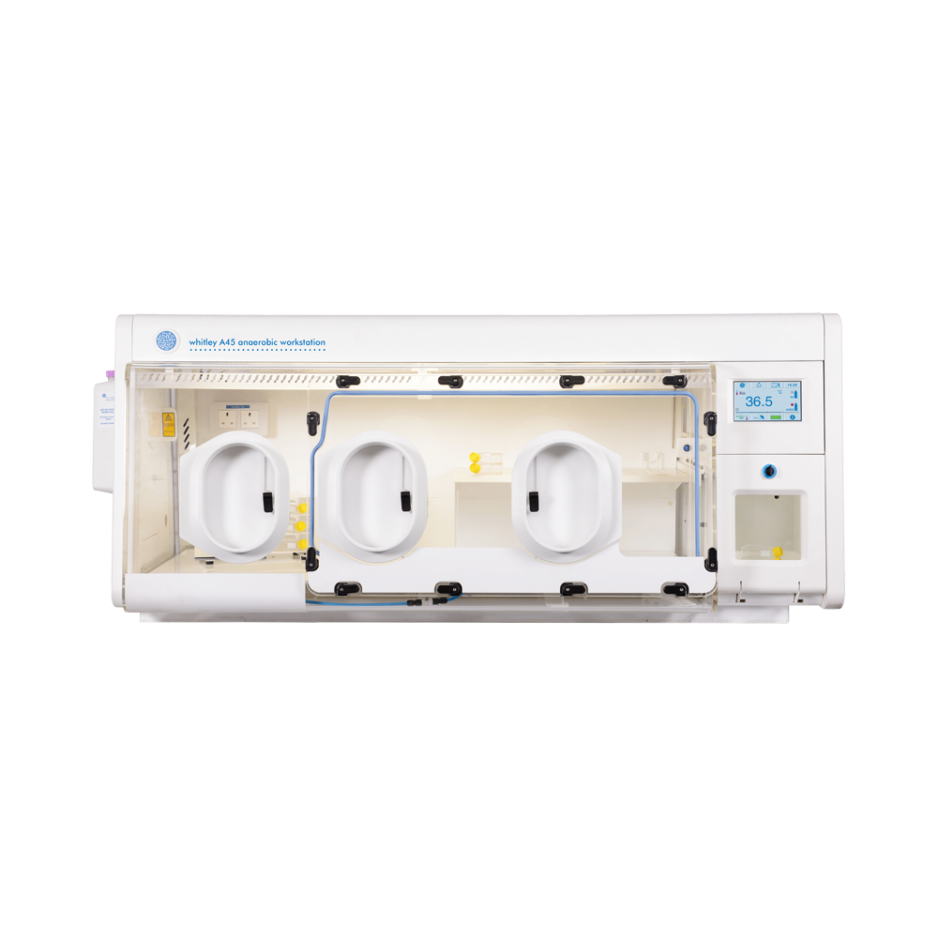
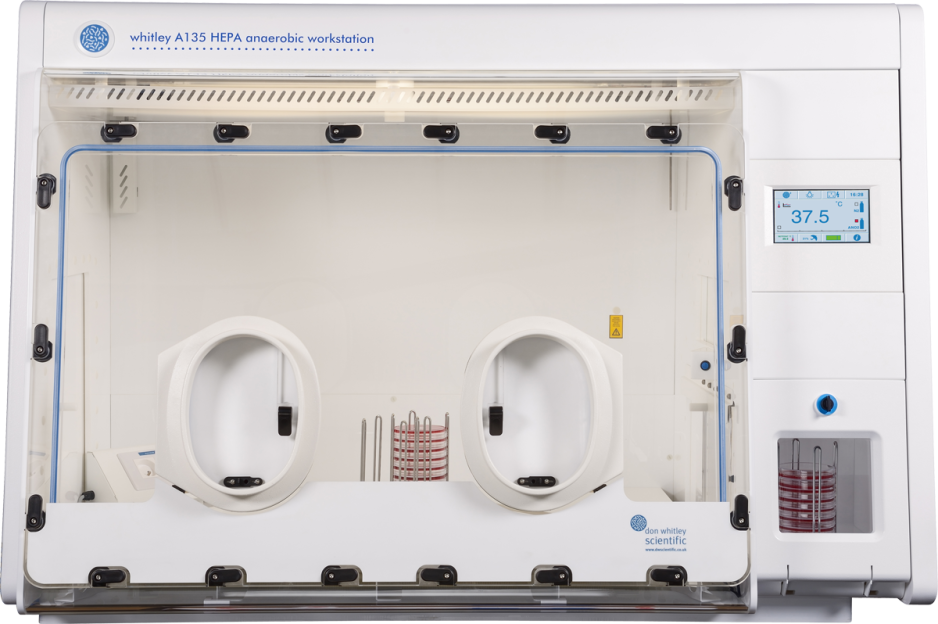
Kim et al. explored this by assessing lactic acid bacterial strains for their ability to stimulate GLP-1 secretion. A selection of lactic acid bacteria, including Lactiplantibacillus plantarum GB104, L. rhamnosus GG and Bifidobacterium longum GB301, were cultured in a Whitley A45 Workstation with the human endocrine cell line NCI-H716; lactic acid bacteria concentrations tested against the cell line were 50%, 20% and 10% and GLP-1 secretion from the cell line was measured using enzyme-linked immunosorbent assays. L. plantarum GB104 exhibited the most effect on GLP-1 secretion but both L. plantarum WCFS1 and L. rhamnosus GG also exhibited a stimulatory effect. Using a model, they investigated the ability of the lactic acid strains to supress weight gain and they found that GLP-1 levels in the blood was elevated by L. plantarum GB104, so this strain was able to inhibit weight gain. They also found this strain could improve blood glucose levels as well as improving insulin sensitivity. Using histological straining, they found this strain reduced the size of fat droplets in liver and adipose tissue samples, including epididymal adipose tissue. Ultimately, their findings suggest lactic acid bacteria, particularly L. plantarum GB104, can be a promising treatment for obesity and a preferred alternative to weight-loss injections [1].
Weight-loss treatment is not a new venture, and successful therapies are vital to limit development of further metabolic diseases and health issues. The importance for reducing obesity does not outweigh the need for safe treatments, and although reports show weight-loss injections have a high success rate, there are concerns regarding their side effects and the economic burden. Therefore, alternative treatments for obesity, such as lactic acid bacteria in probiotics, that are not as expensive and can be used long-term are highly desirable and could possibly be the future of obesity treatment.
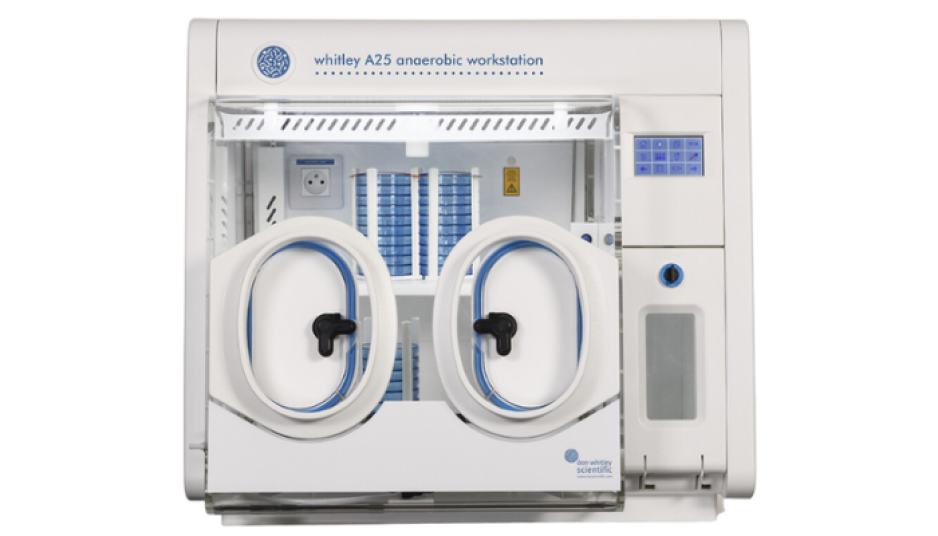
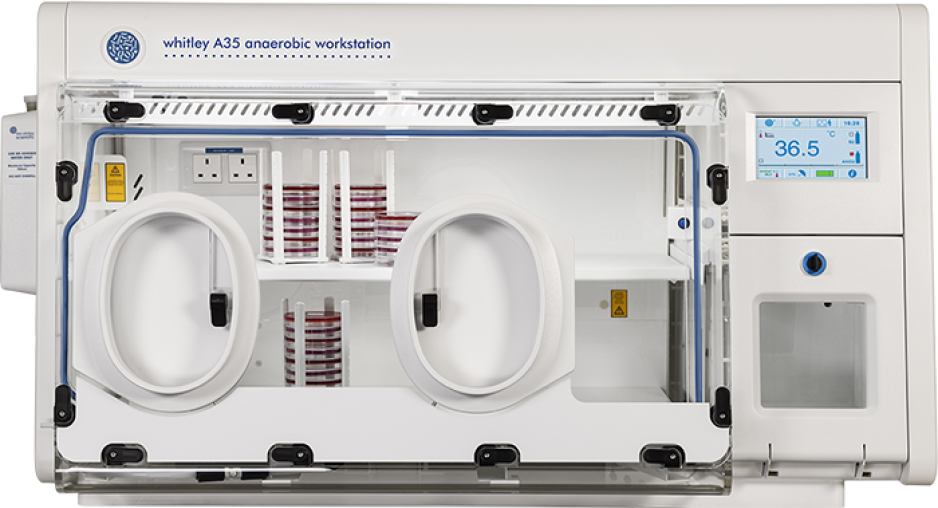
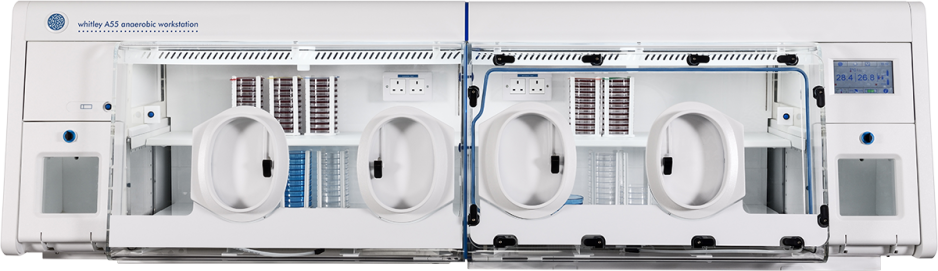
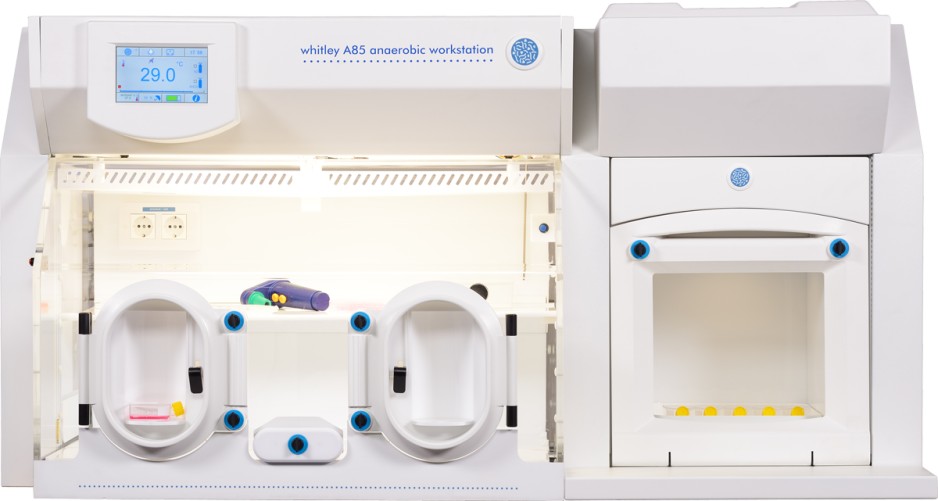
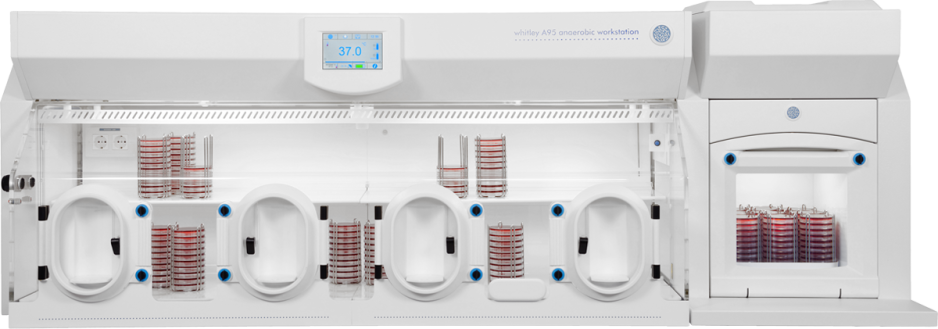
Discover our full range of anaerobic workstations designed to aid your bacterial research here.
Written by DWS Microbiologist Kirsty McTear
References
- Kim A-Ram, Jeon SG, Park SJ, Hong H, Kim BK, Kim HR, et al. Alleviation of Adipose Tissue Inflammation and Obesity Suppression by a Probiotic Strain That Induces GLP-1 Secretion. Microorganisms. 2025 May 26;13(6):1211–1.
- Xie Z, Yang S, Deng W, Li J, Chen J. Efficacy and Safety of Liraglutide and Semaglutide on Weight Loss in People with Obesity or Overweight: A Systematic Review. Clinical Epidemiology. 2022 Dec;Volume 14:1463–76.




 England