 en
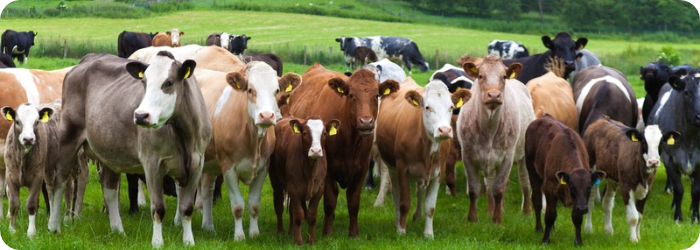
Bovine digital dermatitis (BDD) is a disease that causes lameness in cattle and is responsible for significant annual economic losses globally. In the UK alone, the cost is estimated at £80 million each year [1], with the disease affecting almost every country with an established dairy industry. Research suggests that BDD has a unique polymicrobial aetiology, with three anaerobic Treponema species strongly associated with the disease worldwide.
Lois Bent and Ferdinand Ngale are both conducting research into these anaerobes at the University of Liverpool, working towards the development of a potential vaccine for BDD. They were awarded the DWS Travel Grant to present their findings at the IX International Conference on Spirochetal Infections of Humans and Animals in Lisbon, Portugal, on 15–16 October. We spoke with Lois and Ferdinand to find out more about their research and the importance of attending the conference.
Lois Bent:
“My work investigates the interaction between Treponema species associated with BDD and Factor H, a key regulator of the complement system that bacteria can exploit to evade immune-mediated killing.
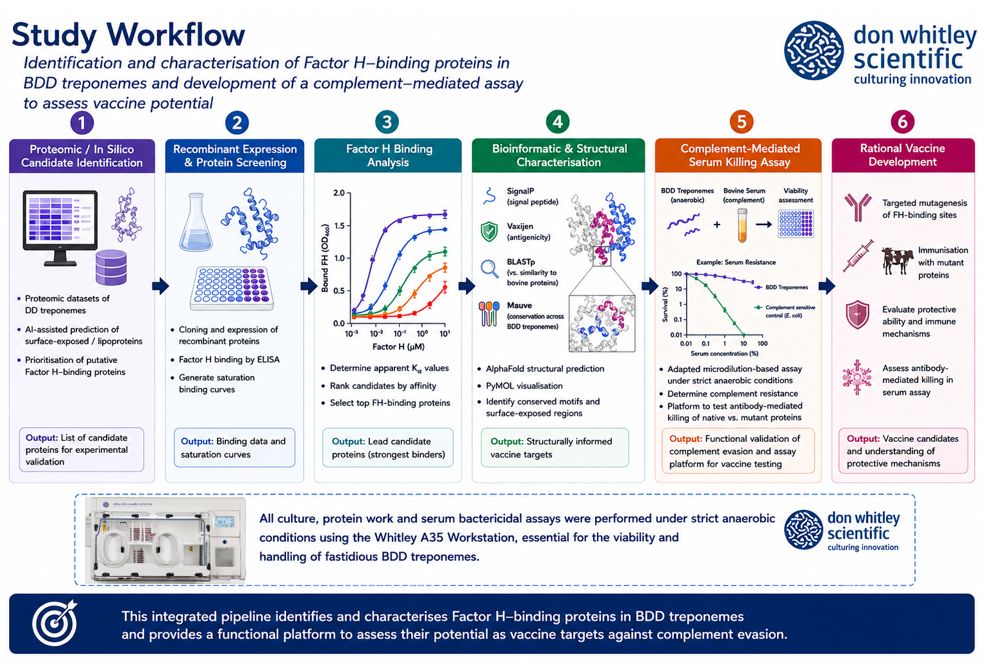
Systematic screening of Treponema phagedenis lipoproteins identified five promising Factor H-binding proteins. These candidates were assessed for recombinant expression, predicted cellular localisation, and vaccine potential. Comparative sequence and structural analyses further investigated their conservation across BDD-associated Treponema species, their specificity relative to bovine host proteins, and the surface-exposed regions potentially involved in Factor H binding. These findings will guide future targeted mutagenesis studies to disrupt immune evasion while preserving antigenicity. In parallel, I developed a serum bactericidal assay to investigate complement-mediated killing, confirming that BDD-associated treponemes exhibit serum resistance. This assay will help determine whether antibodies targeting native or modified Factor H-binding proteins can overcome this defence mechanism.
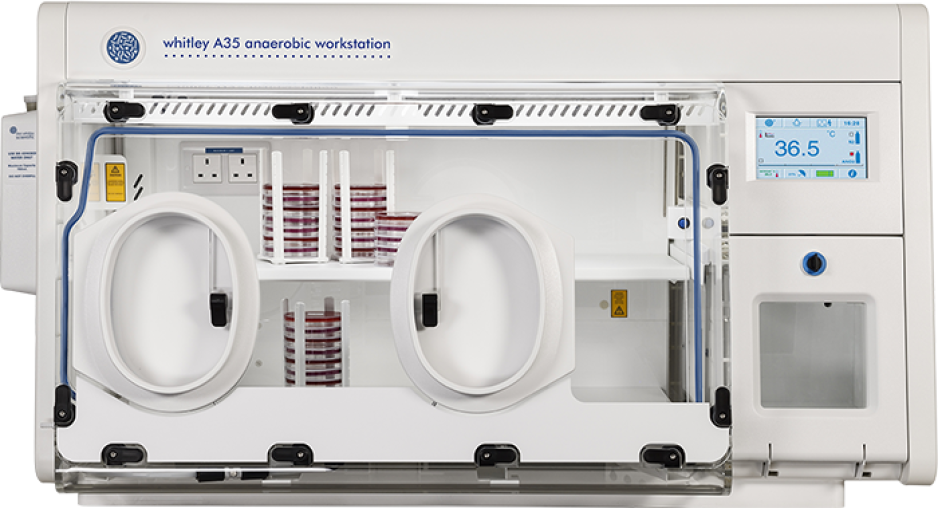
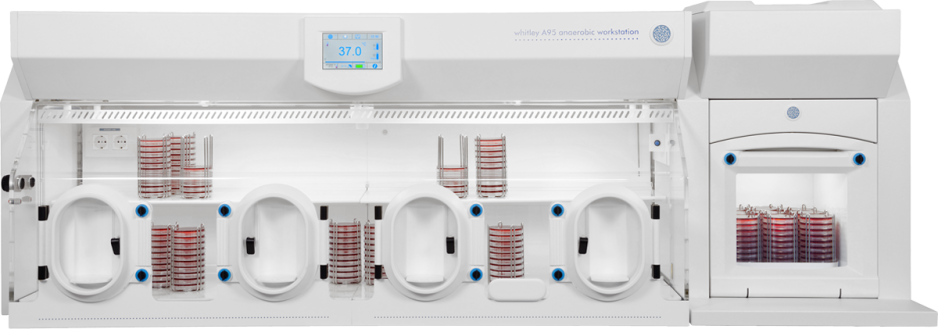
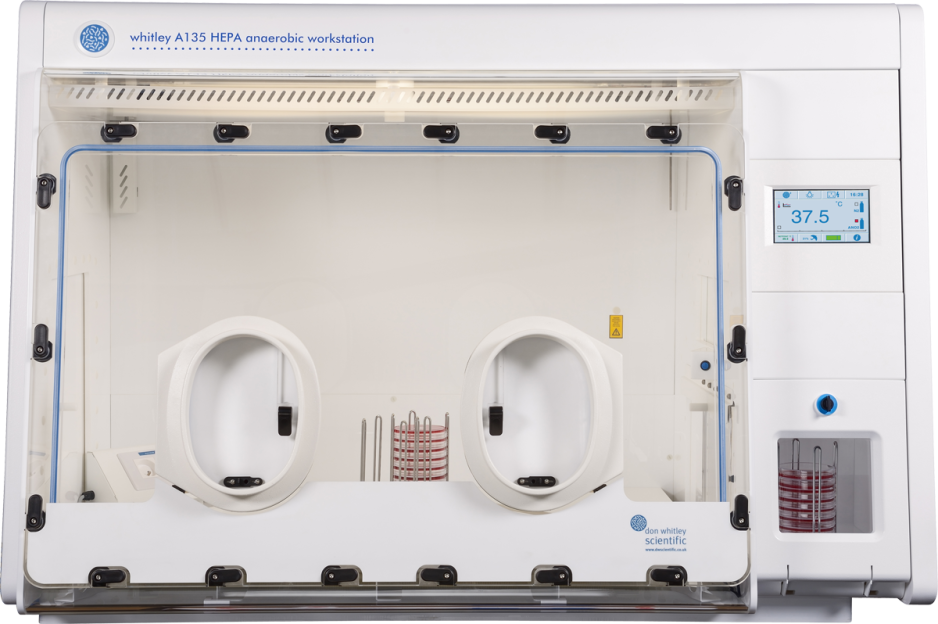
Access to the Whitley A35 Workstation allowed me to maintain controlled atmospheric conditions for treponeme cultivation. This capability is particularly valuable when working with fastidious bacterial species that require anaerobic conditions and supports the reproducibility and reliability of experiments investigating their interactions with the host immune system.”
View Lois’ poster presentation here.
Ferdinand Ngale:
“A key mechanism of immunomodulation by treponemes (and spirochetes in general) involves suppression of the complement system. In my project, we have employed artificial intelligence to screen for complement binding proteins in the proteomes of the pathogenic treponemes (Treponema phagedenis, T. medium and T. pedis) and validated binding to complement components in vitro. We are also characterising candidates for their suitability as vaccine targets. The suitable candidates are being evaluated using a range of different methods and advanced for in-vivo vaccine trials. We use the Whitley A35 Workstation for routine culturing of these novel treponemes in the microbiology lab. These results were showcased in a presentation titled ‘Deciphering the role of surface lipoproteins in Treponemal immunomodulation towards a vaccine for bovine digital dermatitis’ at the conference and received good reception and discussions."
View Ferdinand’s presentation here.
Through the DWS Travel Grant, Lois and Ferdinand were able to share their findings with the international research community, learn more about advances in microbiology and vaccine development, and connect with researchers working in related fields. Their work highlights how understanding the mechanisms bacteria use to evade the host immune system could help inform the development of new approaches to preventing BDD.
We're pleased to have supported both researchers in sharing their work and broadening their perspectives through the conference and congratulate Lois and Ferdinand once again on receiving the Travel Grant.
Want to check your eligibility? Visit our travel grant page for more information.
- University of Liverpool. Sustainable Control of Digital Dermatitis in Livestock. [Online]. Liverpool: Institute of Infection, Veterinary and Ecological Sciences; [Accessed 3 November 2026]. Available from: https://www.liverpool.ac.uk/infection-veterinary-and-ecological-sciences/research/groups/veterinary-pathobiology/digital-dermatitis-in-livestock/
Bovine digital dermatitis is a disease affecting the feet of cattle, causing painful lesions and lameness. It has a significant economic impact on the dairy industry, with estimated annual costs of £80 million in the UK alone.
Three anaerobic Treponema species – T. phagedenis, T. medium and T. pedis – are strongly associated with bovine digital dermatitis. Research is investigating how these bacteria interact with the host immune system, particularly how they suppress the complement system to evade immune-mediated killing.
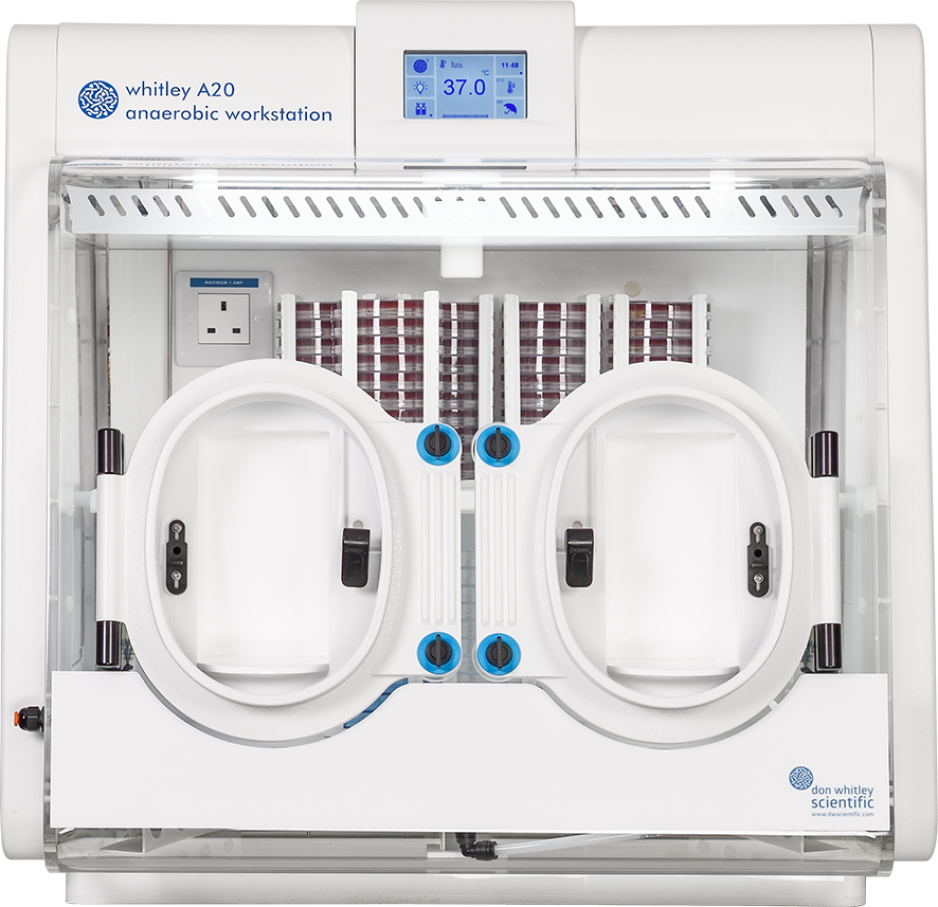
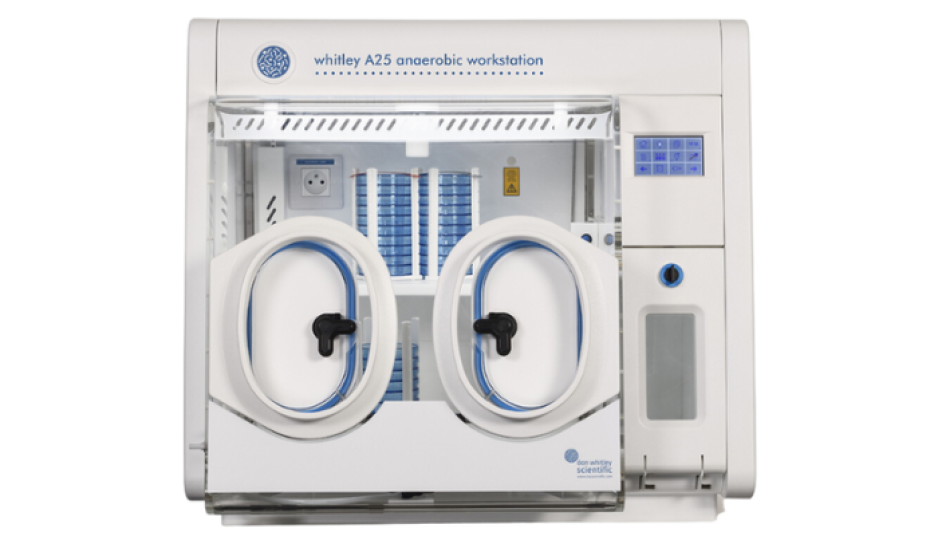
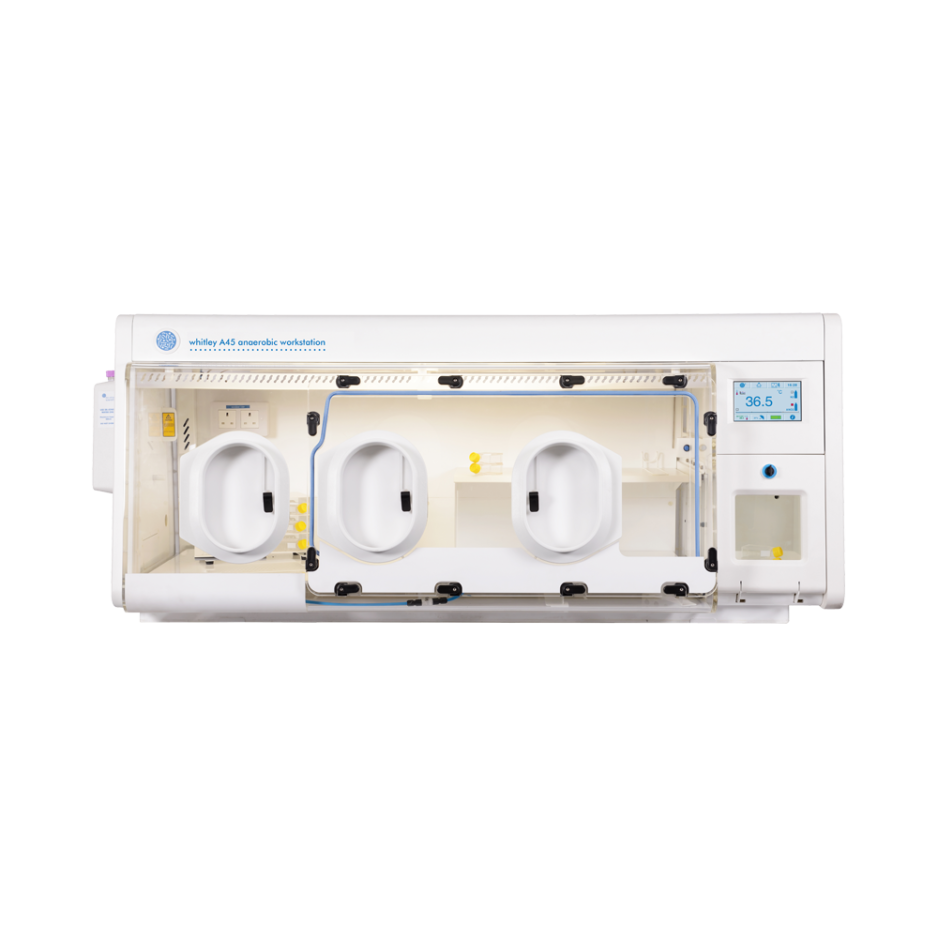
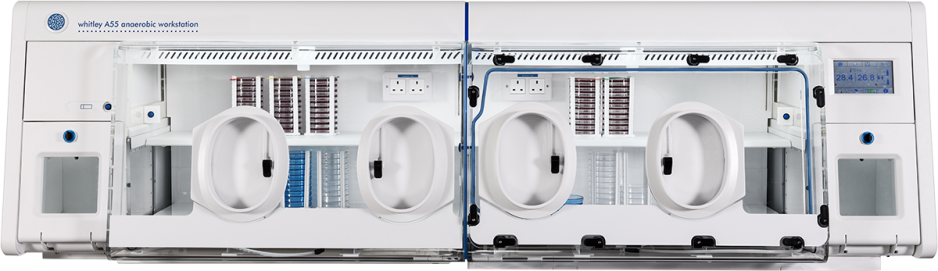
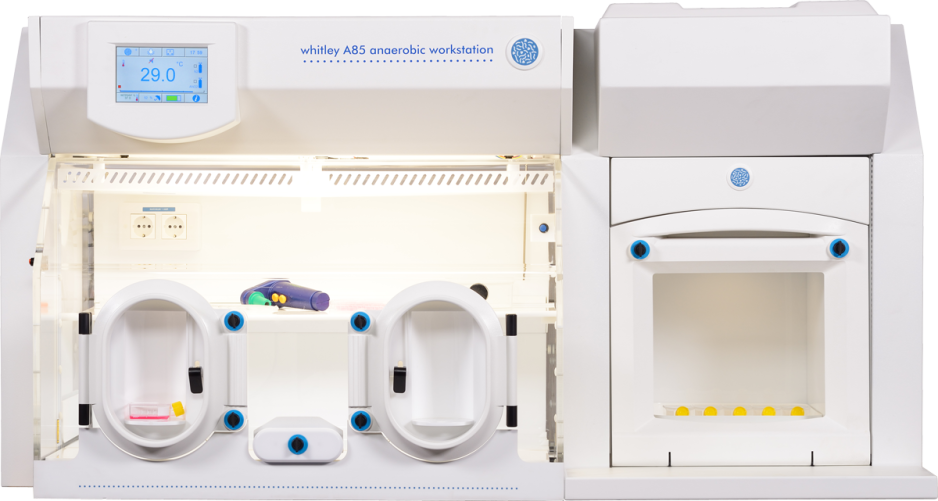
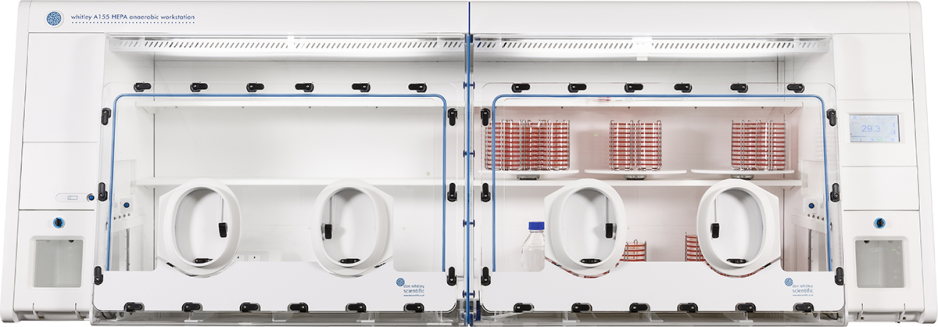
Whitley Anaerobic Workstations are used by researchers to cultivate bovine digital dermatitis-associated Treponema species under controlled anaerobic conditions. This provides a reliable environment for investigating bacterial interactions with the host immune system, including the mechanisms treponemes use to evade immune responses, and supports research into potential vaccine targets.




 England