

 en
en

Cardiovascular disease (CVD) continues to be the leading cause of death worldwide, accounting for 13% of the world's total deaths [1]. Despite these shocking statistics, fewer than 20 countries have a standalone plan to tackle CVD and improve cardiovascular health [2]. This World Heart Day, we're turning our attention to research that is helping to uncover the mechanisms behind heart disease, with a spotlight on myocardial ischaemia-reperfusion injury and the role of small extracellular vesicles (sEVs).
Myocardial ischaemia-reperfusion injury refers to the additional damage that can occur when blood flow is restored to the heart following a period of oxygen deprivation, such as after a heart attack. sEVs are tiny, membrane-bound particles released by cells. They carry molecular cargo - such as proteins, lipids, and RNA - and play a vital role in cell-to-cell communication and disease progression. Following ischemia-reperfusion injury, the circulation of sEVs increases and their bioactive molecule content changes, affecting the behaviour of recipient cells. Understanding these changes could help researchers identify new biomarkers and therapeutic targets for cardiovascular disease.
Through the DWS Travel Grant, we were pleased to support Fani Koutentaki, a PhD candidate at Imperial College London, in presenting her research at the 50th Annual Meeting of the ESC Working Group on Cardiac and Cellular Electrophysiology in Leuven, Belgium. Funded by the British Heart Foundation, Fani’s research aims to establish a new hypoxia-reoxygenation injury (HRI) living myocardial slices (LMS) model to investigate the role of sEVs in the functional, structural and biochemical properties of the myocardium.
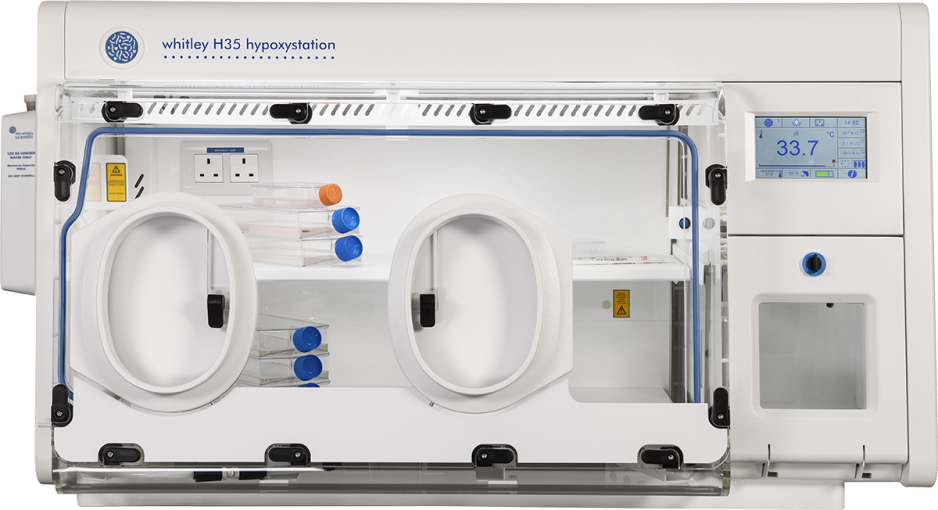
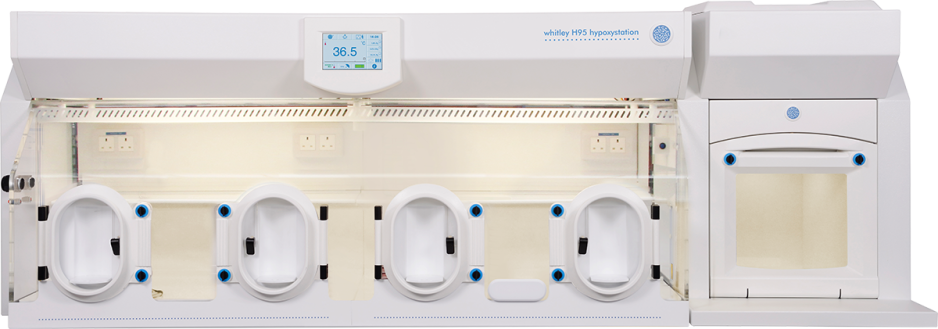
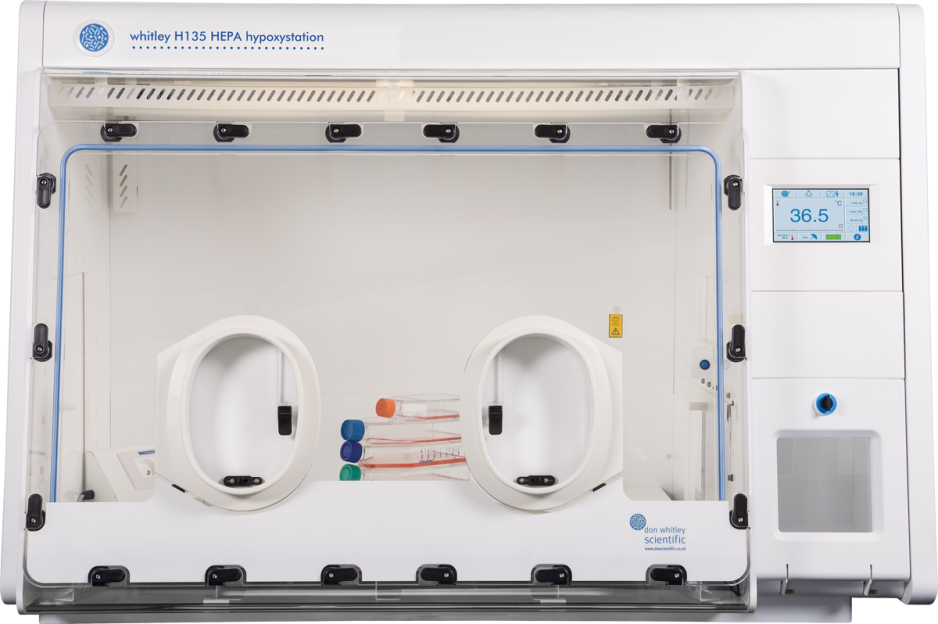
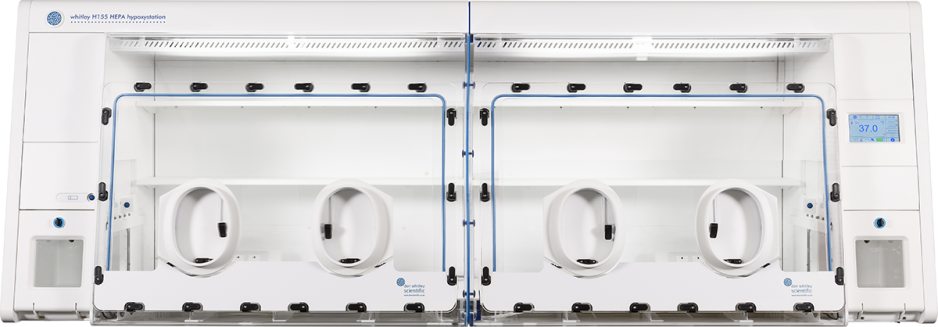
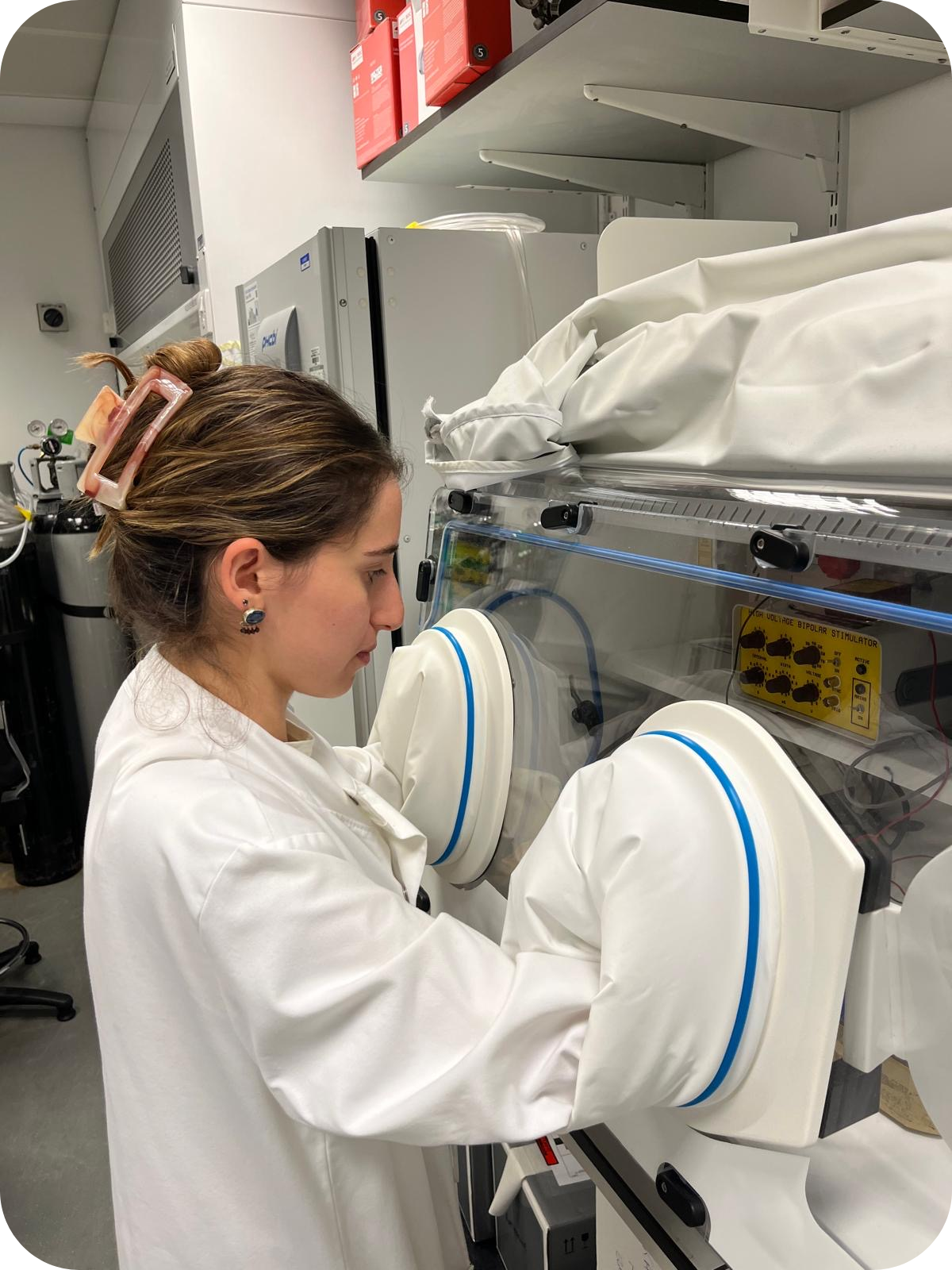 Using a Whitley H35 Hypoxystation, the team recreated the oxygen conditions associated with myocardial ischaemia-reperfusion injury by exposing human living myocardial slices to 1% oxygen for 2 hours, followed by 24 hours of reoxygenation. This controlled model enabled the researchers to study the effect on the function and structure of human living myocardial slices, as well as the molecular composition of secreted sEVs during the injury [3].
The study found that HRI reduced the contractile function of myocardial tissue and significantly increased the release of sEVs. Further analysis showed that these injury-related vesicles could alter the behaviour of healthy myocardial tissue, highlighting their potential role in the progression of cardiac injury. Together, these findings provide a valuable platform for investigating the mechanisms underlying myocardial ischaemia-reperfusion injury and identifying further therapeutic targets [3].
Thanks to the DWS Travel Grant, Fani was able to share these findings through a poster presentation, exchange ideas with research from across the field of cardiac electrophysiology and contribute to international discussions on cardiovascular research. Reflecting on the meeting, Fani said:
“The meeting was a great experience, where I attended informative talks about the latest advances in cardiac electrophysiology and engaged in valuable discussions with researchers in the field. I would like to sincerely thank DWS for awarding me the travel grant.”
This World Heart Day, we're proud to support researchers like Fani whose work is advancing our understanding of cardiovascular disease. By helping early-career scientists share their research and collaborate with peers around the world, the DWS Travel Grant contributes to the collective effort to improve cardiovascular health and drive future scientific discovery.
References:
- World Health Organisation. Global health estimates: Leading causes of death. [Online]. Geneva: World Health Organisation; [Accessed 6 August 2026]. Available from: https://www.who.int/data/gho/data/themes/mortality-and-global-health-estimates/ghe-leading-causes-of-death
- World Heart Federation. World Health Day. [Online]. Geneva: World Heart Federation; [Accessed 6 August 2026]. Available from: https://world-heart-federation.org/world-heart-day/
- Koutentaki, F, Zheng, L, Kelwick, R J R, et al. Investigating the mechanisms of small extracellular vesicles in myocardial hypoxia-reoxygenation injury using the human living myocardial slice model. Cardiovascular Research. 2026 May;122(1).






 England