

 en
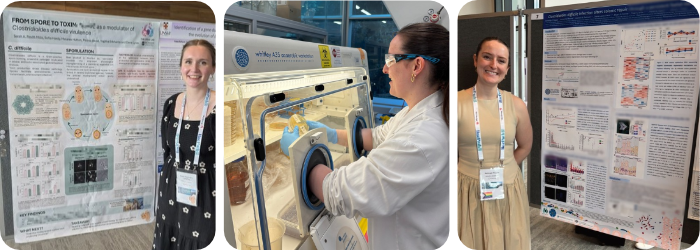
Two researchers from Monash University in Melbourne, Australia, received Don Whitley Scientific (DWS) Travel Grants to attend the 19th biennial Bacterial Pathogenesis (BacPath) conference in Busselton, Western Australia. Dr Ashleigh Rogers and Dr Sarah Revitt-Mills presented their research into different aspects of Clostridioides difficile infection (CDI), with Sarah also receiving the Best Early Career Researcher (ECR) Poster prize at the event.
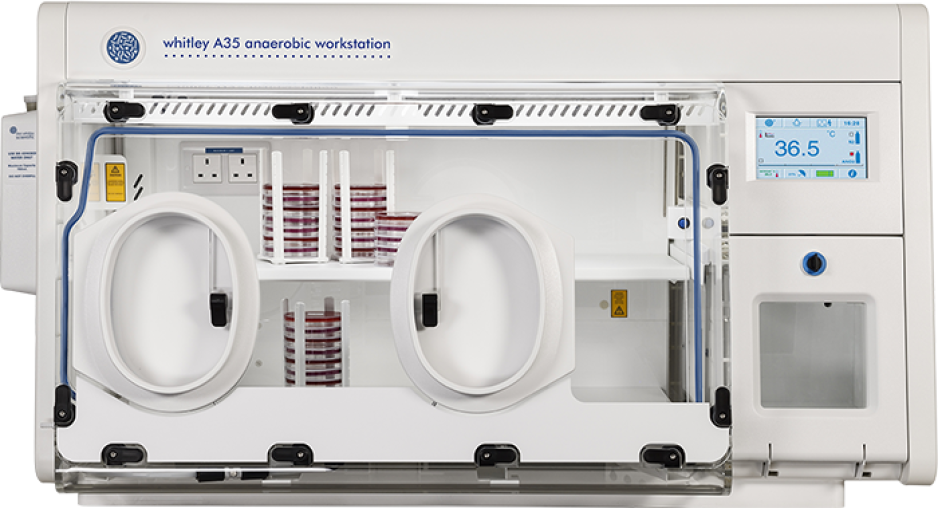
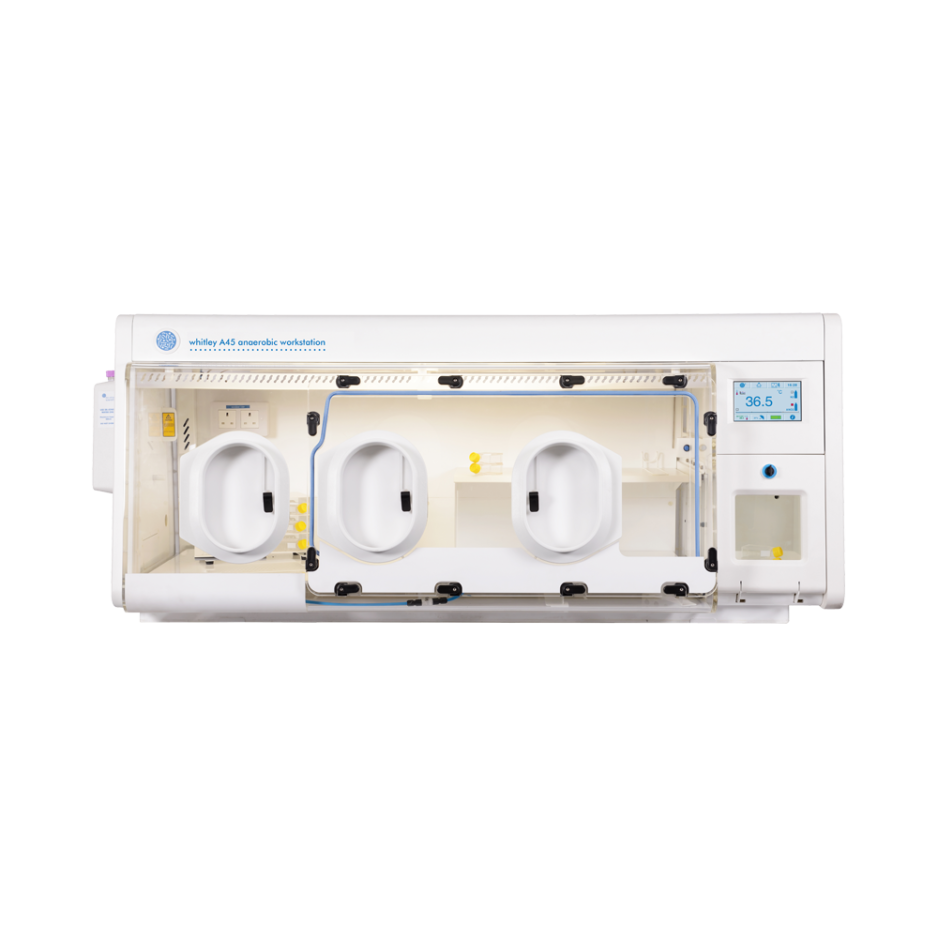
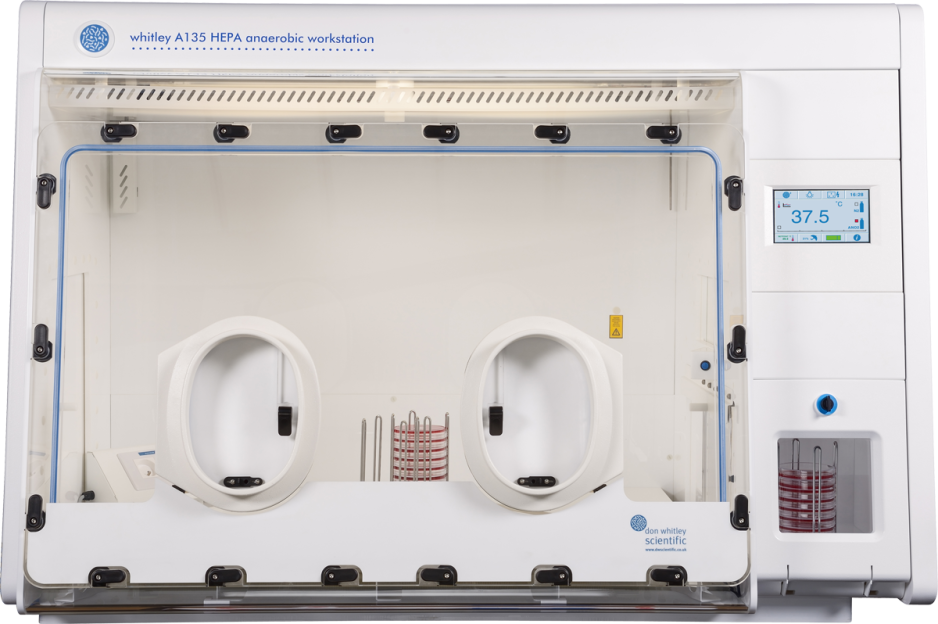
Both researchers work with the Whitley A35 Anaerobic Workstation, which provides the controlled anaerobic environment needed to culture and handle C. difficile. We caught up with them to find out more about their research and the role the workstation plays in their work.
Understanding how the colon recovers after C. difficile infection
Dr Ashleigh Rogers, a Postdoctoral Researcher at the Biomedicine Discovery Institute at Monash University, investigates how the colon repairs itself following severe CDI.
Although the damage caused by C. difficile toxins during acute infection is well documented, the processes involved in recovery remain less understood. This is particularly relevant given the frequency of recurrent infection among patients who have experienced CDI.
Using a long-duration CDI recovery mouse model alongside organoids, bulk RNA sequencing and digital spatial transcriptomics, Ashleigh’s research revealed that CDI imposes a profound and sustained impairment of colonic regeneration. In mice, normal epithelial turnover occurs within 2-3 days, but restoration after CDI requires up to 30 days. These findings redefine CDI pathogenesis by highlighting that repair, not just acute damage, is a critical determinant of disease outcome and relapse risk. This recovery model provides a tractable platform to interrogate the biology of post-infectious repair and to identify host-directed therapies capable of accelerating regeneration, offering an alternative to antibiotic centric strategies and informing approaches relevant to other gastrointestinal infections.
The Whitley A35 Anaerobic Workstation is essential to Ashleigh’s research, providing the strict anaerobic conditions needed for all culturing and handling of C. difficile.
As she explains:
“From growing bacterial inoculums for infecting mice to culturing plated mouse faeces on selective agar to ascertain colonisation and bacterial clearance, this repair project could not be performed without the critical infrastructure provided by this workstation.”
Investigating the link between sporulation and toxin production
Dr Sarah Revitt-Mills, a Postdoctoral Researcher in Professor Dena Lyras’ group at Monash University’s Biomedicine Discovery Institute, is investigating the relationship between toxin production and sporulation in C. difficile.
She shares more about her experience at BacPath and her research:
“I presented my poster (and handed out my little spore stickers) on my work investigating the links between toxin production and sporulation in the anaerobe Clostridioides difficile. Excitingly, we have found that across diverse C. difficile strains that when we mutate a key player in sporulation, we are able to abolish toxin production. We are now exploring if this mechanism also extends to other anaerobic clostridial pathogens, such as Paraclostridium sordellii and Clostridium perfringens. What makes this discovery so exciting, is that the sporulation protein we have examined in this work is a promising therapeutic target, as loss of this protein in C. difficile targets two key pathogenic determinants: disease-causing toxin production and transmission-enabling sporulation.”
Like Ashleigh, Sarah relies on the Whitley A35 Anaerobic Workstation to conduct her research into C. difficile and other anaerobic bacteria.
“Our Whitley A35 workstation (more than 15 years old and still going strong) is instrumental in allowing us to conduct our work.”
We’re pleased to have supported both researchers in attending BacPath 2026 and sharing their findings with the wider bacterial pathogenesis community through the DWS Travel Grant.
Want to check your eligibility? Visit our Travel Grant Page for more information.
C. difficile infection causes extensive toxin-mediated colonic epithelial damage including significant injury to intercellular-junctions, polarity determinants, and stem cell niches.
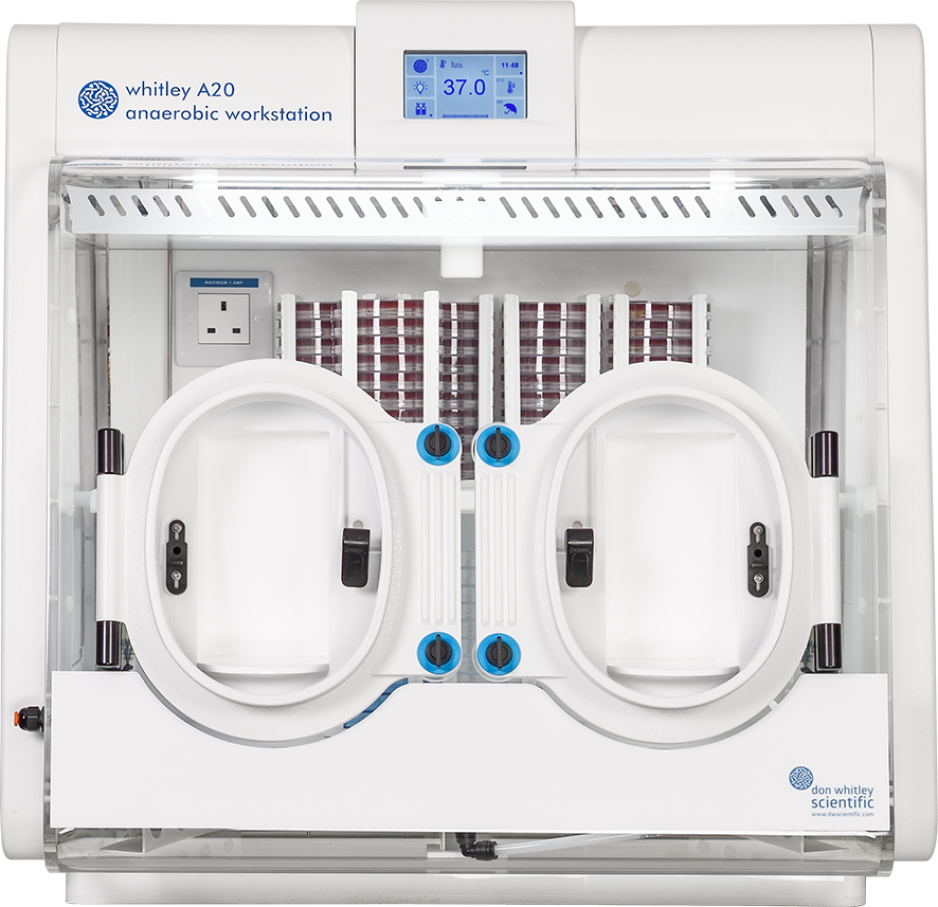
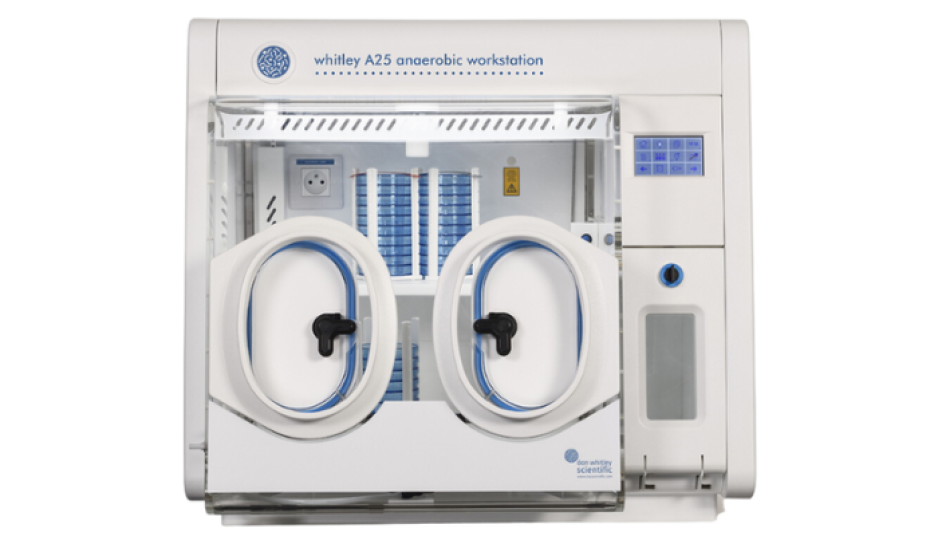
As C. difficile is a strict anaerobe, it requires an oxygen-free environment to grow and be handled reliably. Whitley Anaerobic Workstations provide controlled conditions for processing, incubating and examining samples without exposure to atmospheric oxygen, helping maintain sample integrity throughout the research process.
Don Whitley Scientific supports microbiology researchers through the DWS Travel Grant, which offers eligible Whitley Workstation users up to £250 towards attending scientific conferences and presenting their research. The scheme helps researchers share their findings, connect with the wider scientific community and raise awareness of their work.




 England