

 en
en
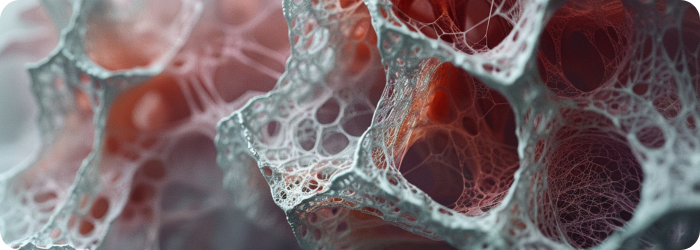
Idiopathic pulmonary fibrosis (IPF) is a chronic lung disease characterised by progressive scarring of the interstitial tissue, the region of the lungs responsible for gas exchange between inspired air and the circulation. As this tissue becomes increasingly scarred, oxygen diffusion becomes more difficult, resulting in a high burden of hypoxaemia for many patients.
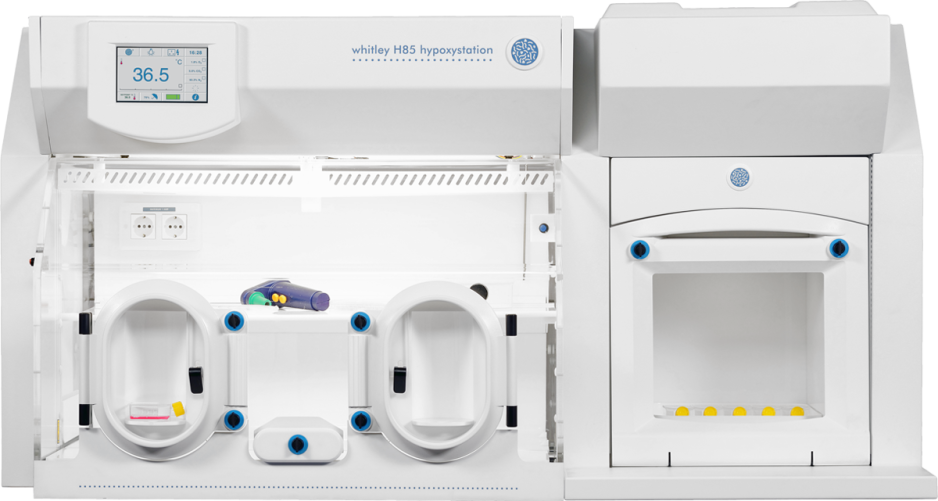
Understanding how reduced oxygen availability influences the lung microenvironment could help researchers uncover new mechanisms driving disease progression and identify future therapeutic targets. At the University of Birmingham, Ellen Jenkins, a PhD student in the Department of Inflammation and Ageing, recently completed an intercalated PhD funded by the Kennedy Trust for Rheumatology Research, titled Defining a HIF-1α Associated Immunometabolic Phenotype in Alveolar Macrophages Relevant to Idiopathic Pulmonary Fibrosis. A key part of the project involved using the Whitley H35 Hypoxystation to recreate precisely controlled hypoxic conditions in vitro, allowing the team to investigate how low oxygen levels affect immune cells within the lung.
Why study hypoxia in IPF?
Patients with IPF commonly experience hypoxaemia as scarring of the lung tissue limits the efficient exchange of oxygen. While this reduced oxygen availability is known to affect the wider body, researchers also believe it may directly influence the lung tissue itself, potentially contributing to disease progression.
Ellen's research focused on alveolar macrophages (AMs), the most abundant immune cells within the lungs. Under normal conditions, these cells reside in an oxygen-rich environment due to their location within the air spaces of the lung. This led to her hypothesis that alveolar macrophages may be particularly sensitive to changes in environmental oxygen levels:
"It is often hypothesised that limited oxygen availability not only affects the circulation and distal organs, but also the lung tissue itself. Therefore, investigating the influence of hypoxia on lung resident cells may present novel mechanisms for the progression of IPF that could be targeted using oxygen therapy."
What was the role of the Whitley H35 Hypoxystation in the study?
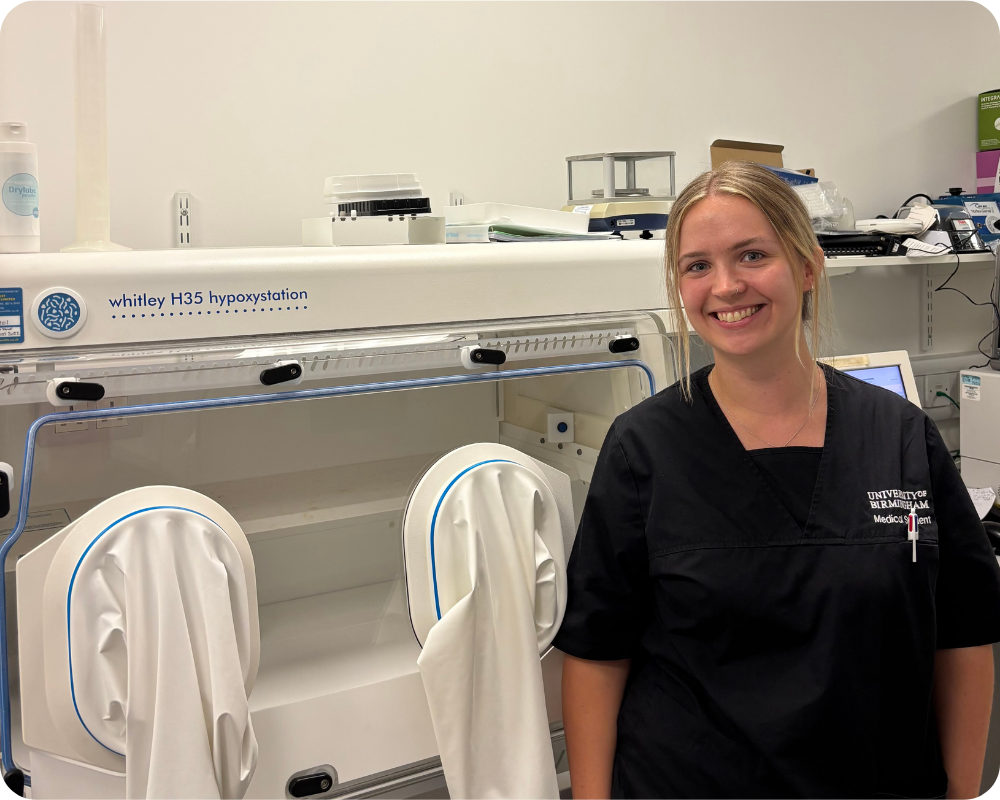
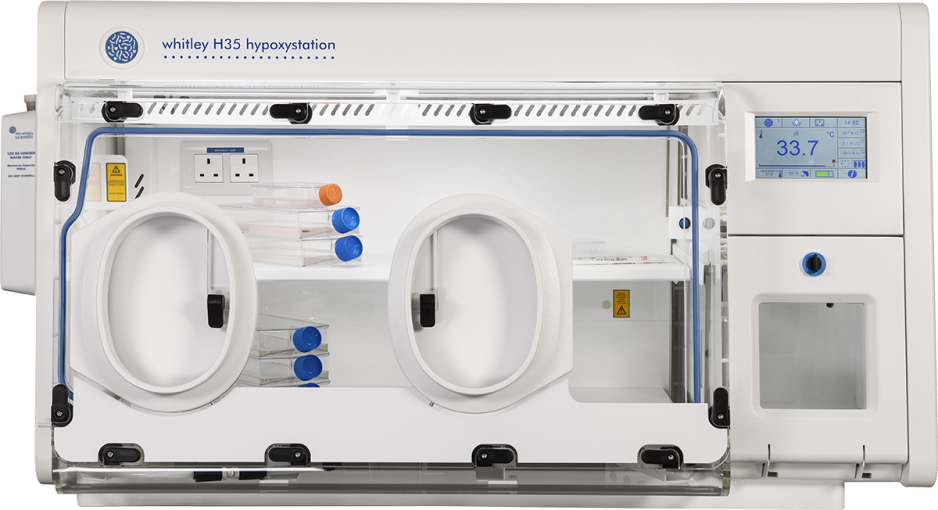
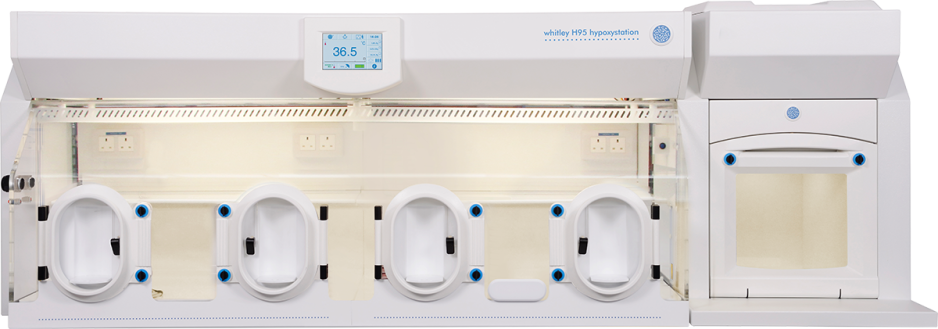
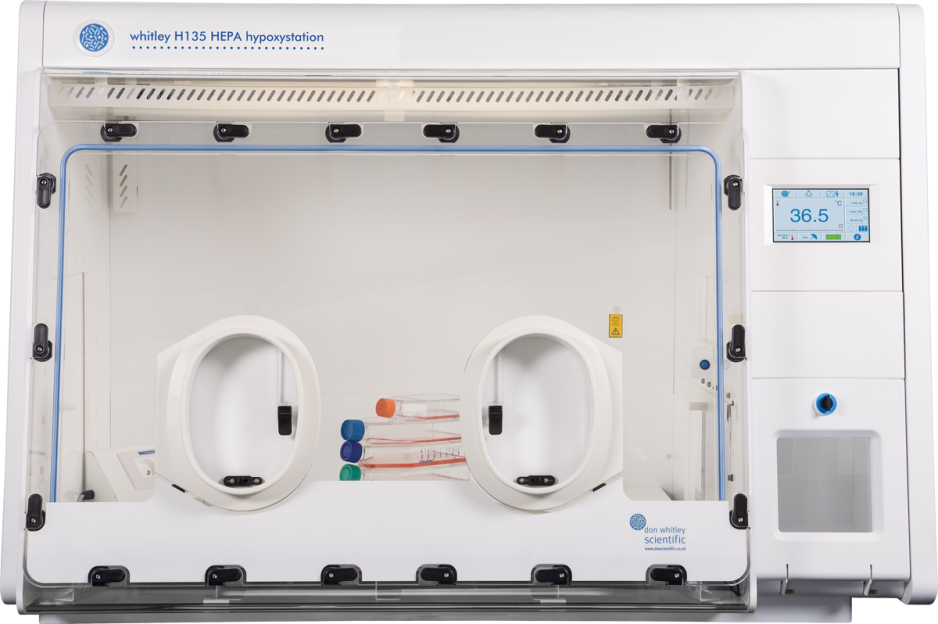
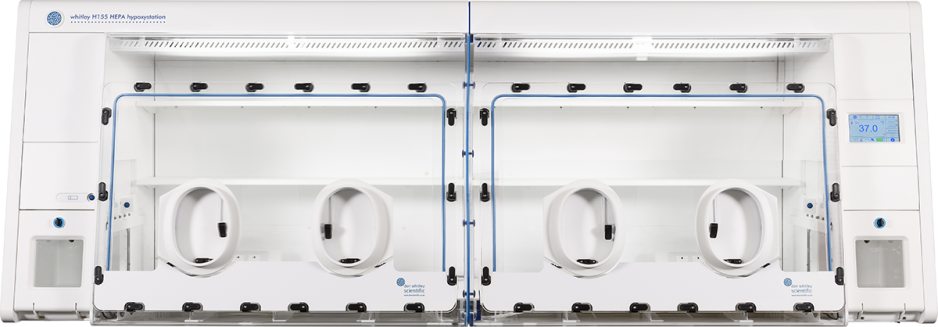
To investigate this, the Whitley H35 Hypoxystation was used to culture alveolar macrophages under both standard conditions and in an atmosphere containing 1% oxygen. The workstation ensured that a stable, controlled hypoxic environment was maintained throughout the experiments.
Maintaining precise oxygen concentrations is essential when investigating cellular responses to hypoxia, ensuring any observed changes are the result of controlled oxygen deprivation rather than fluctuations in the culture environment.
Ellen explains:
“This project would not have been possible without the use of the Whitley Hypoxystation. Measurement of AM responses to a controlled hypoxic challenge allows isolation of the influence of hypoxic signalling and will continue to form an essential component of this project in future development.”
What were the key findings?
The project examined alveolar macrophage function, metabolism and phenotype under normoxic and hypoxic conditions. The findings suggest that exposure to hypoxia may impair the cells' ability to support tissue repair following injury.
This reduced reparative capacity could allow excessive wound-healing responses from fibroblasts and epithelial cells, two key cell types involved in the development and progression of pulmonary fibrosis.
The full findings have been published in the European Respiratory Journal and can be accessed here.
What could these findings mean for future IPF treatments?
While oxygen therapy is currently used primarily as supportive care for patients with IPF, Ellen believes these findings may contribute to a better understanding of its wider therapeutic potential.
"With further dissection of the influence of hypoxic culture conditions in different lung cells, this research may illuminate a bigger role for oxygen therapy in the management of these patients' condition. Currently, oxygen therapy is only indicated as supportive care for patients with IPF; however, with further expansion of this project using more complex models of disease, a disease-modifying role may be illuminated."
Further investigation into how hypoxia influences different lung cell populations could help researchers better understand the mechanisms underlying fibrosis and identify new therapeutic approaches for this challenging disease.
Could the Whitley Hypoxystation help advance your cell culture research?
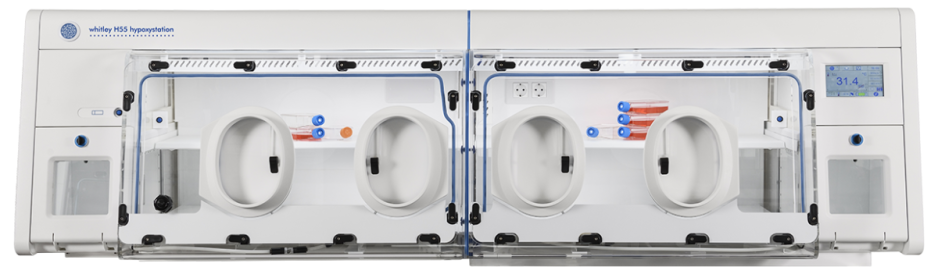
With precise control of oxygen, carbon dioxide, humidity and temperature to provide physiologically relevant for cell culture, Whitley Hypoxic Workstations are widely used across cancer research, neurology, cardiovascular research, plant response to hypoxia, as well as many other types of cell culture work. Find out more on our website or get in touch with our team by emailing sales@dwscientific.co.uk






 England